
Escape room-upplevelser i Kantabrien
Adventure Hunt är ett nytt sätt att utforska, njuta av en promenad och ha kul utomhus.
Adventure Hunt har för närvarande två verksamhetsställen i Kantabrien, ett i Santander och ett i Comillas. De erbjuder två ganska olika sätt att utforska regionen på, så vilket alternativ du väljer beror på var du bor och vilken typ av upplevelse du är ute efter.
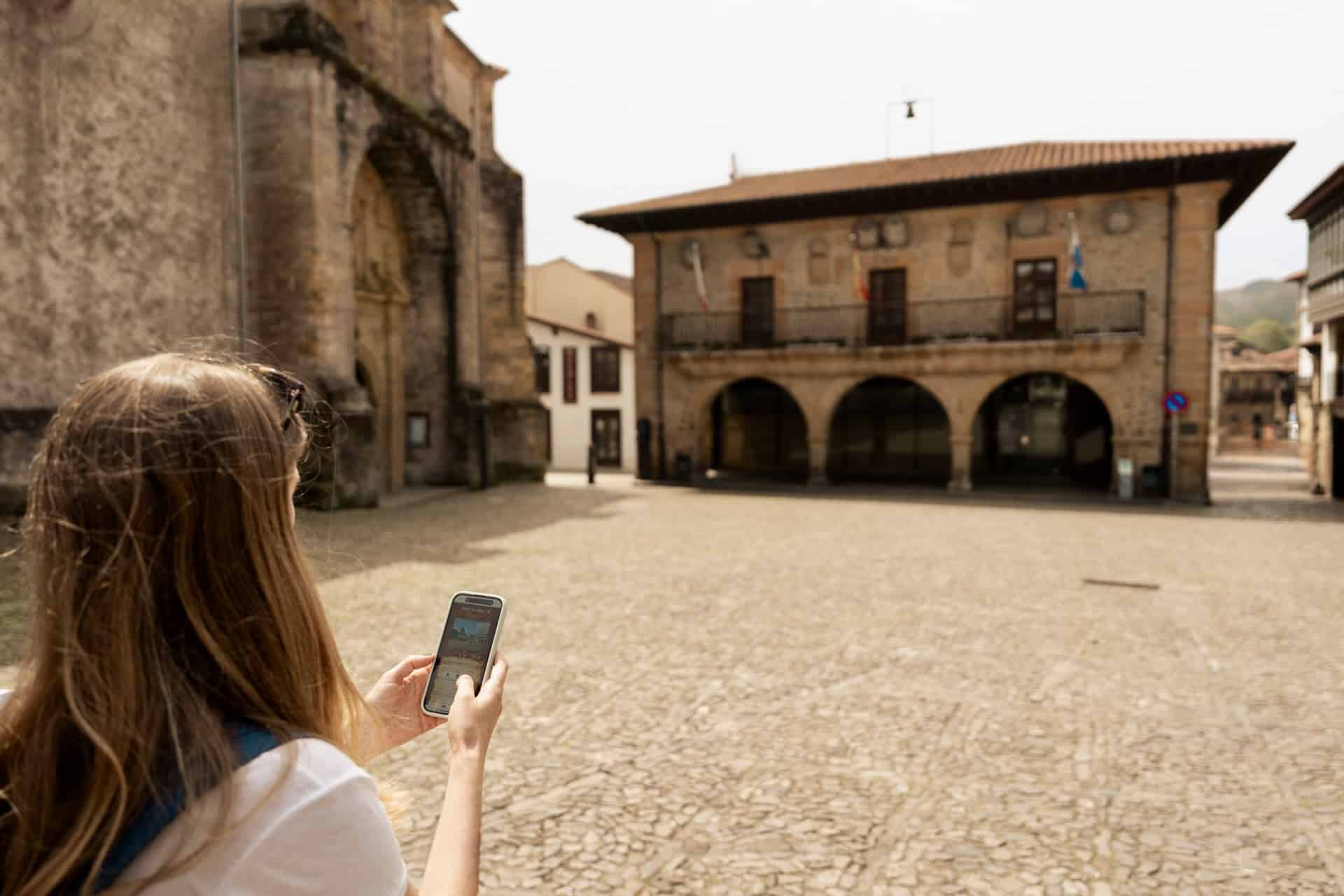
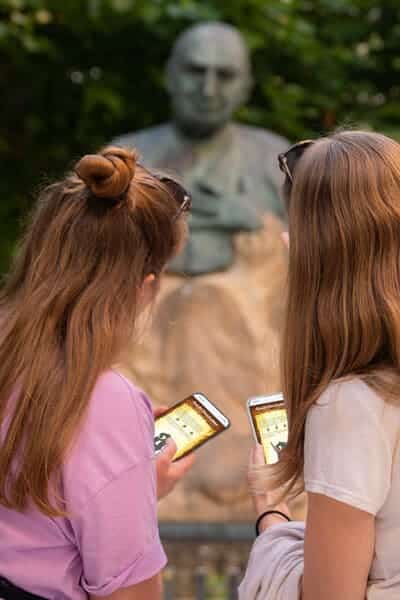
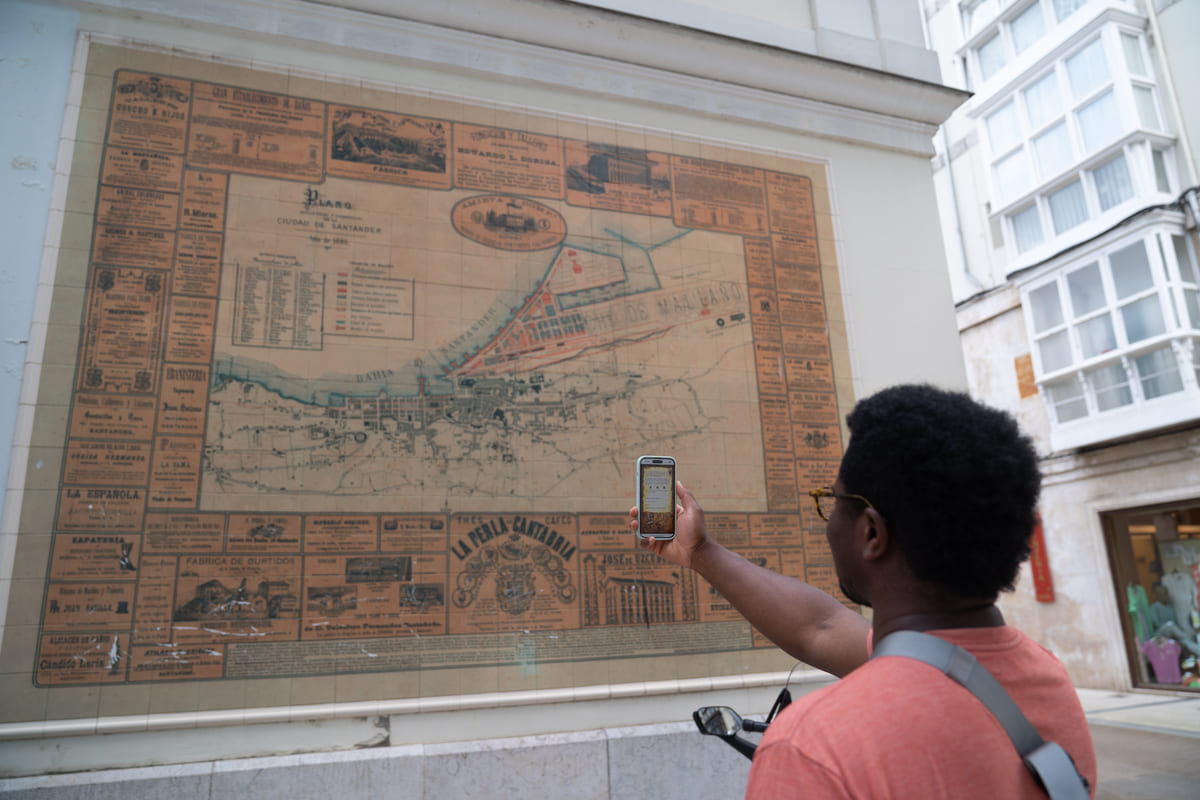
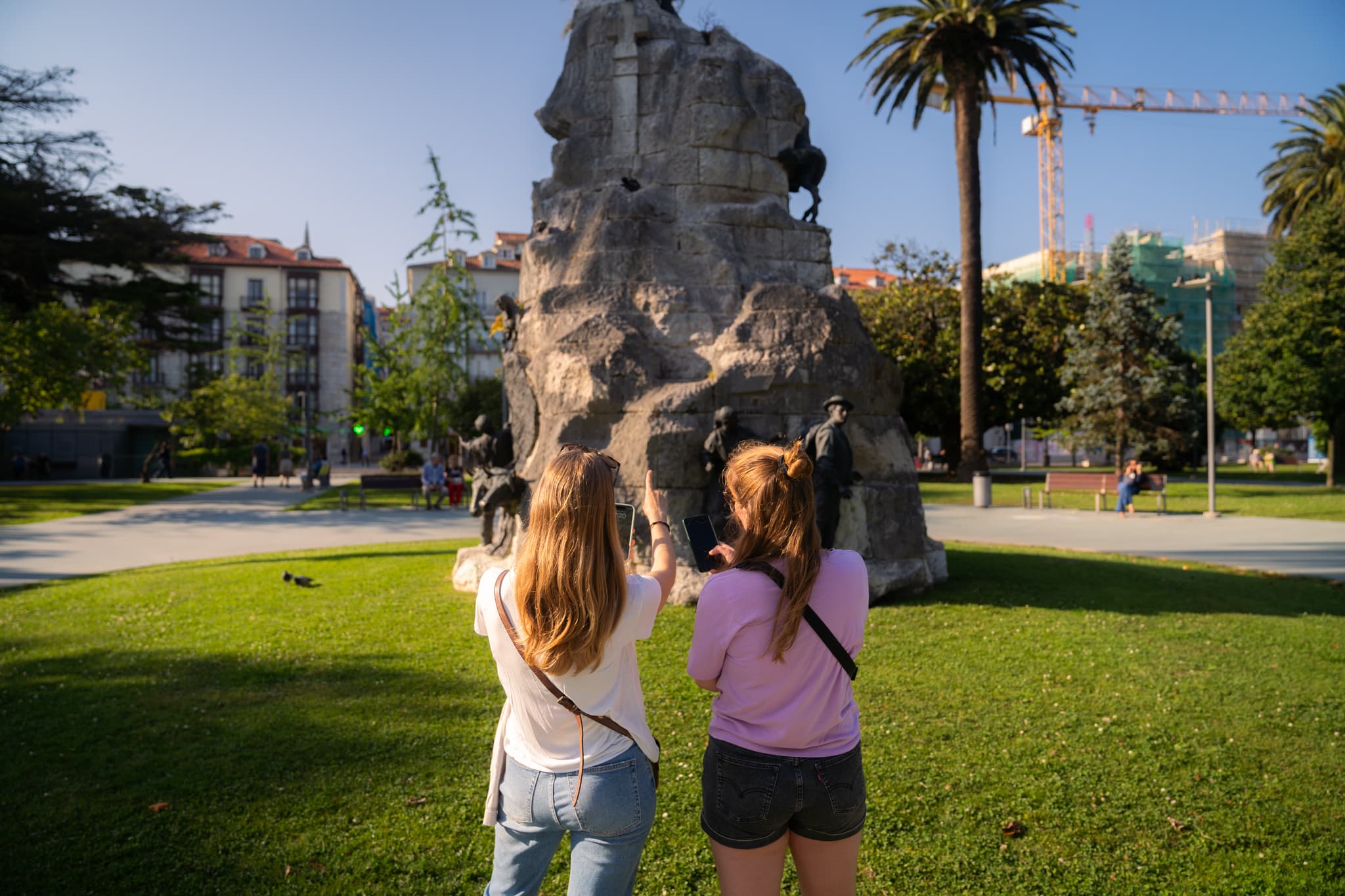
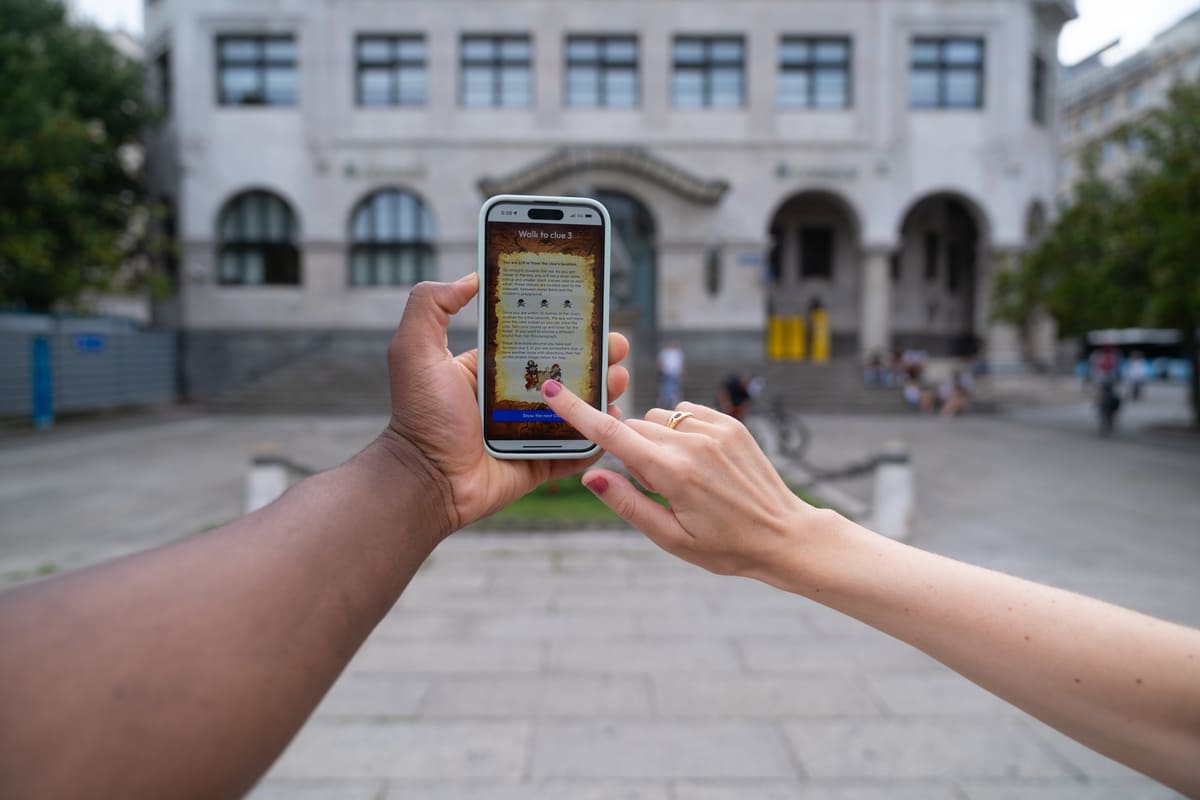
Adventure Hunt kombinerar inslag från ett utomhus-escape room, en skattjakt och en upptäcktsvandring. Pusslen bygger på saker som redan finns omkring dig – skyltar, landmärken, statyer, byggnader och massor av saker som du annars kanske bara skulle gå förbi utan att lägga märke till dem. Du behöver inga speciella kunskaper. Du behöver bara se dig omkring, vara uppmärksam och lista ut svaren.
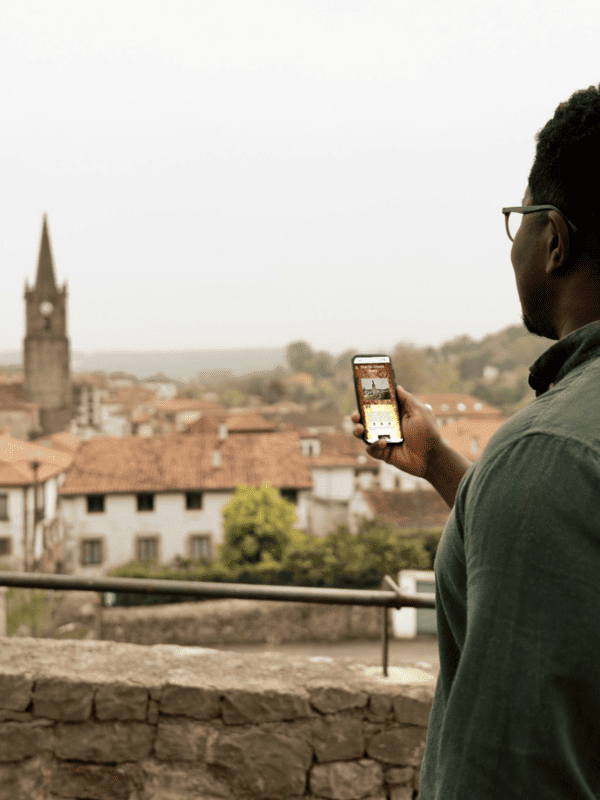
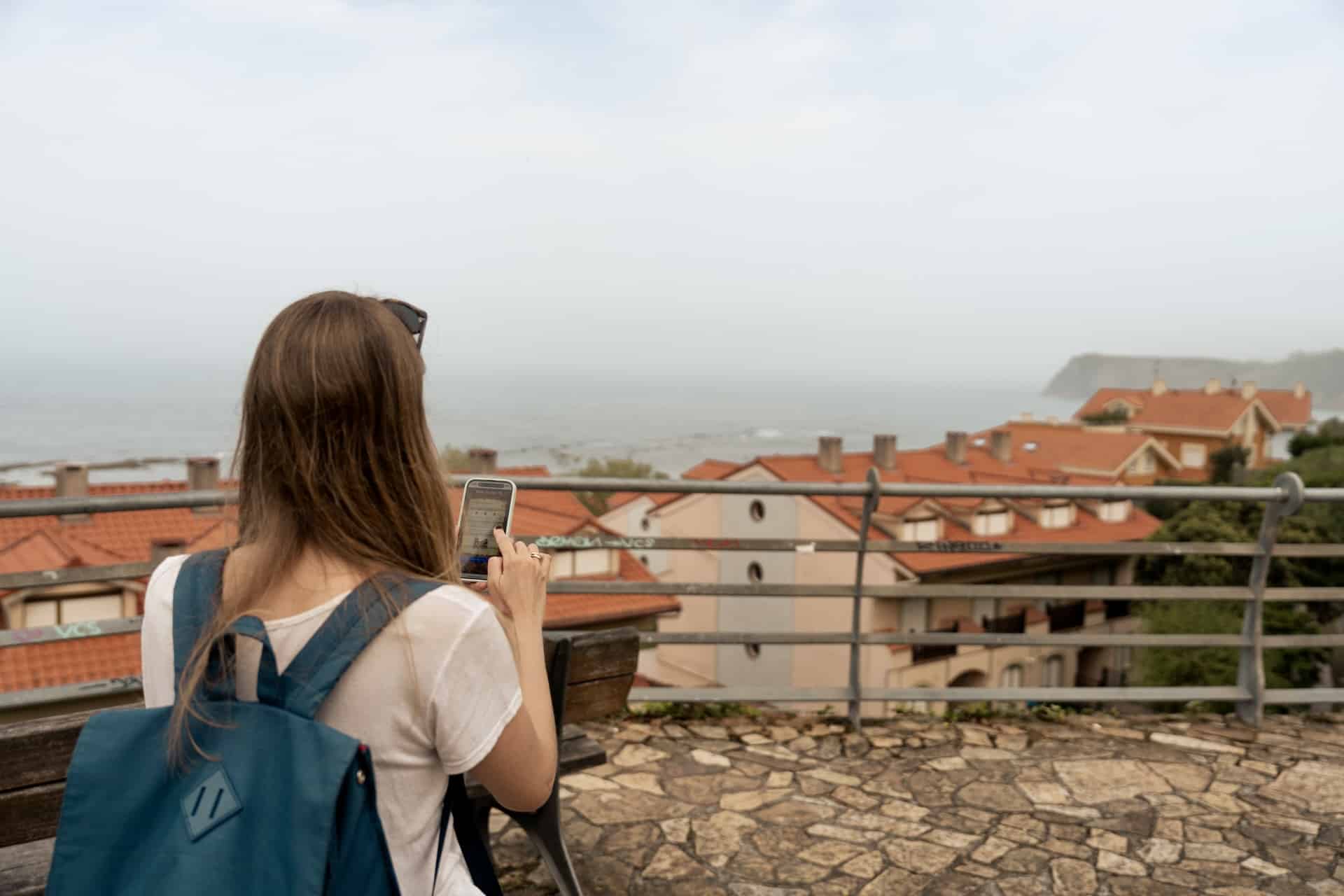
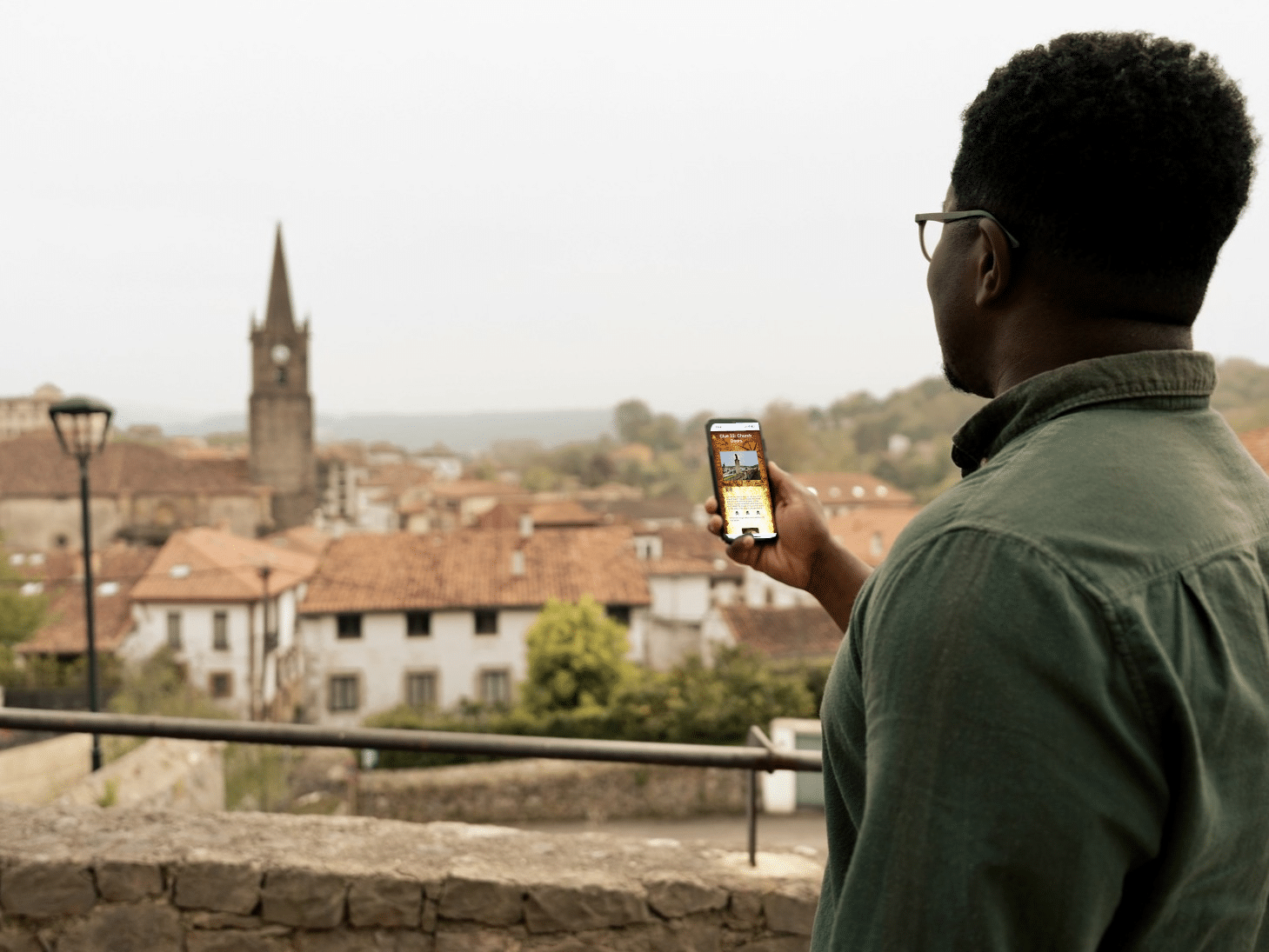
Appen Adventure Hunt leder dig från ett pussel till nästa utan att bara be dig följa en prick på en karta. Att hitta vägen själv är en del av äventyret. Appen körs på din egen Android- eller iPhone-enhet, så du behöver varken hämta någon utrustning eller träffa någon guide.
Boka online och börja när du vill. Det finns inga fasta avgångstider, så du kan planera din Adventure Hunt i förväg eller bestämma dig för att göra en samma dag. Varje bokning gäller för en grupp på upp till sex personer och finns på engelska, spanska, tyska, franska, italienska, portugisiska och nederländska.
Santander
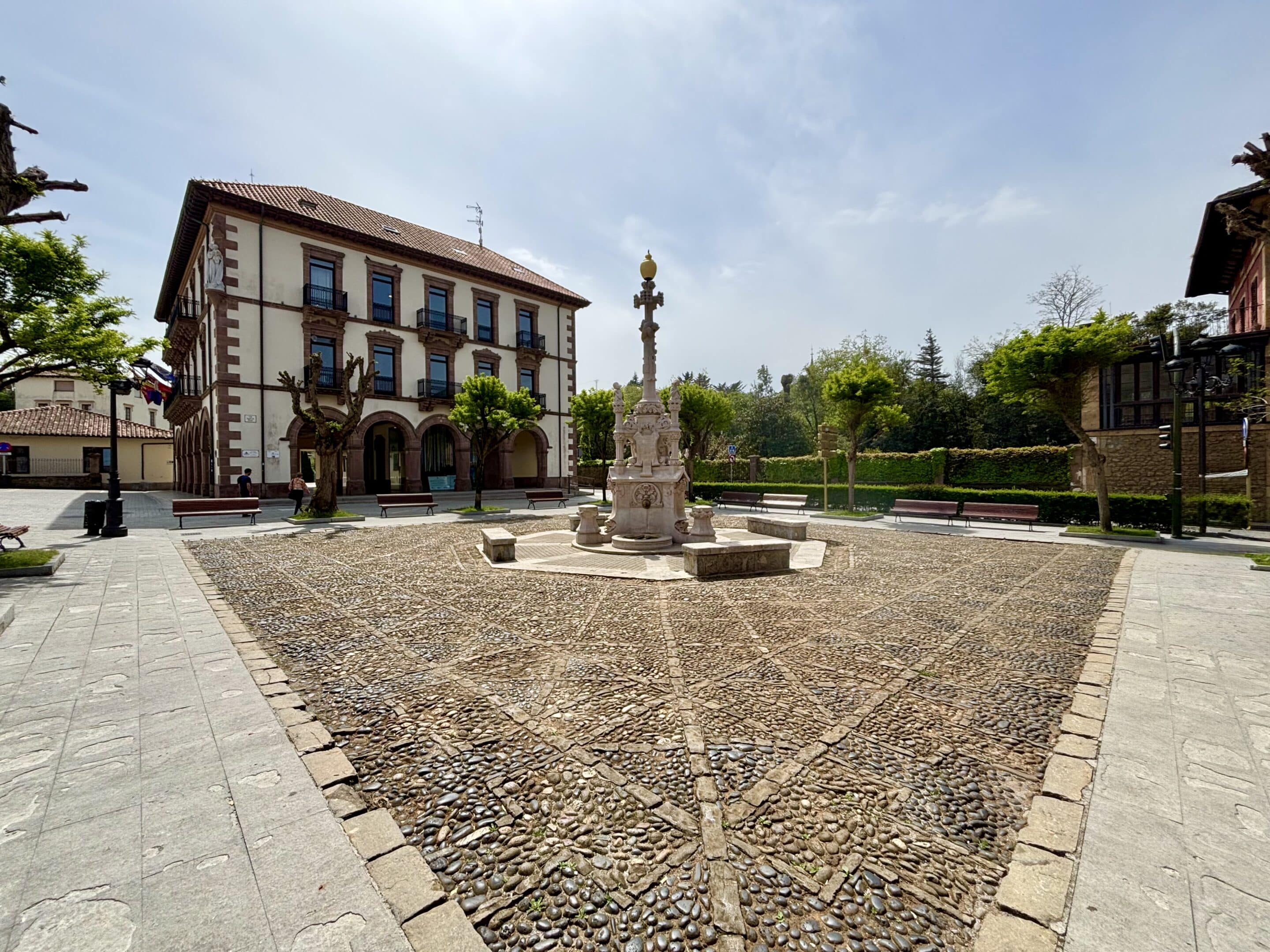
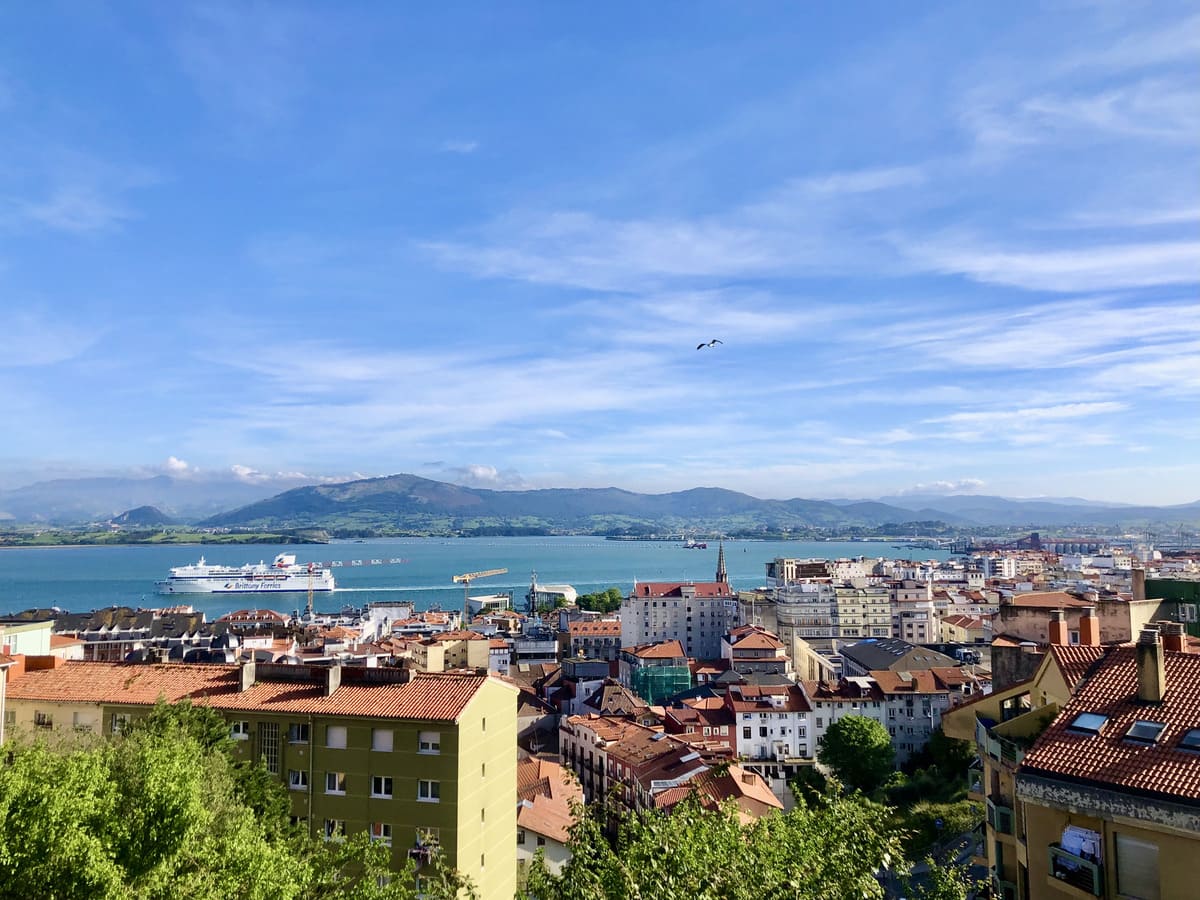
Santander är det perfekta valet om du vill utforska Kantabriens huvudstad. Äventyret börjar och slutar vid Plaza Porticada, mitt i stadens centrum, med strandpromenaden bara en kort promenad bort.
Det finns två varianter att välja mellan. Standardrutten är det längre alternativet och riktar sig till vuxna och familjer med äldre barn som vill utforska mer av staden och uppleva en lite större utmaning. Det finns också en kortare familjerutt, utformad med tanke på yngre barn. Den är platt, rullstols- och barnvagnsvänlig och tar dig mellan Plaza Porticada och Centro Botín.
Detta gör Santander särskilt flexibelt för familjer, eftersom ni kan välja den version som passar er grupp bäst.
Upptäck Santander Adventure Hunt
Comillas
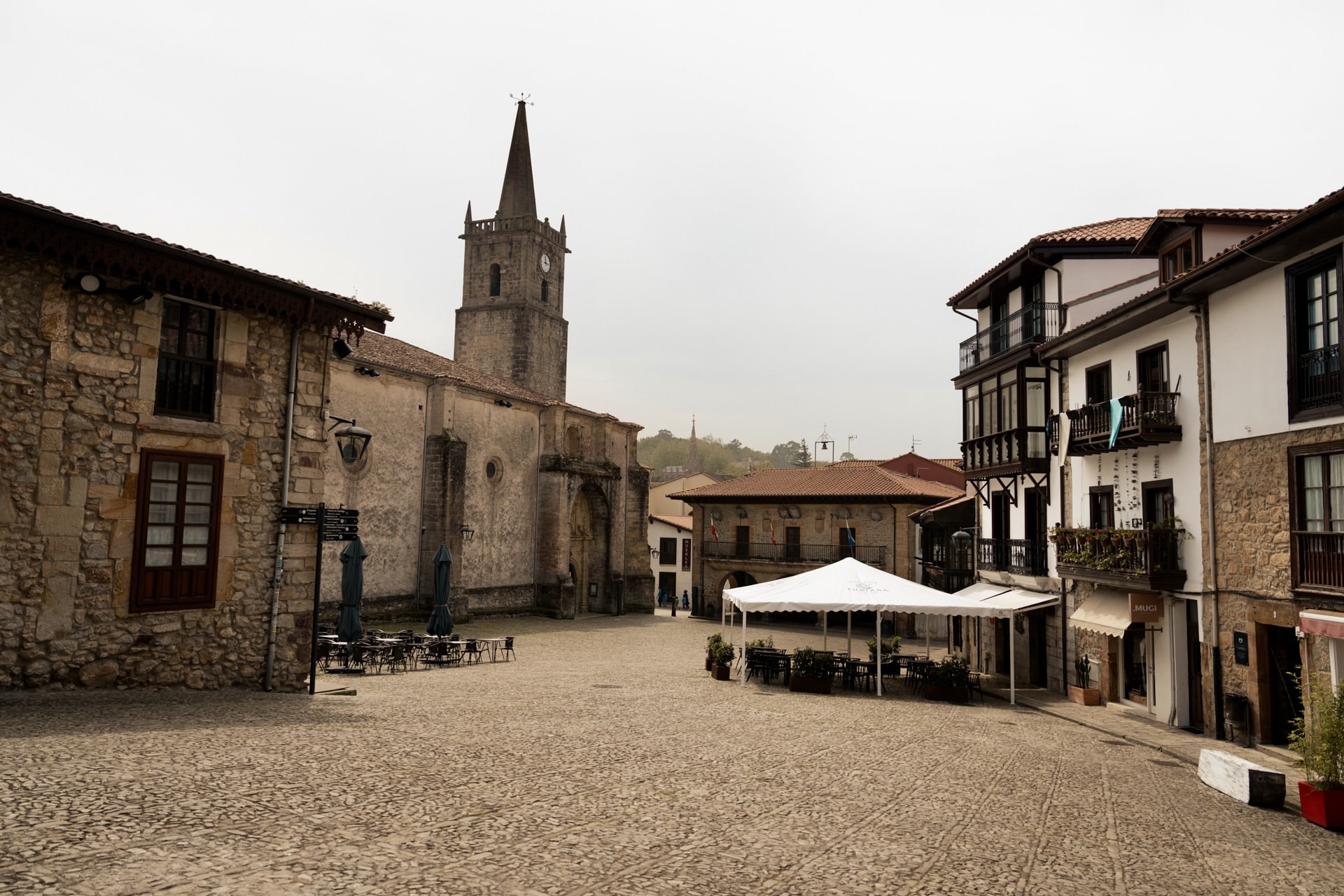
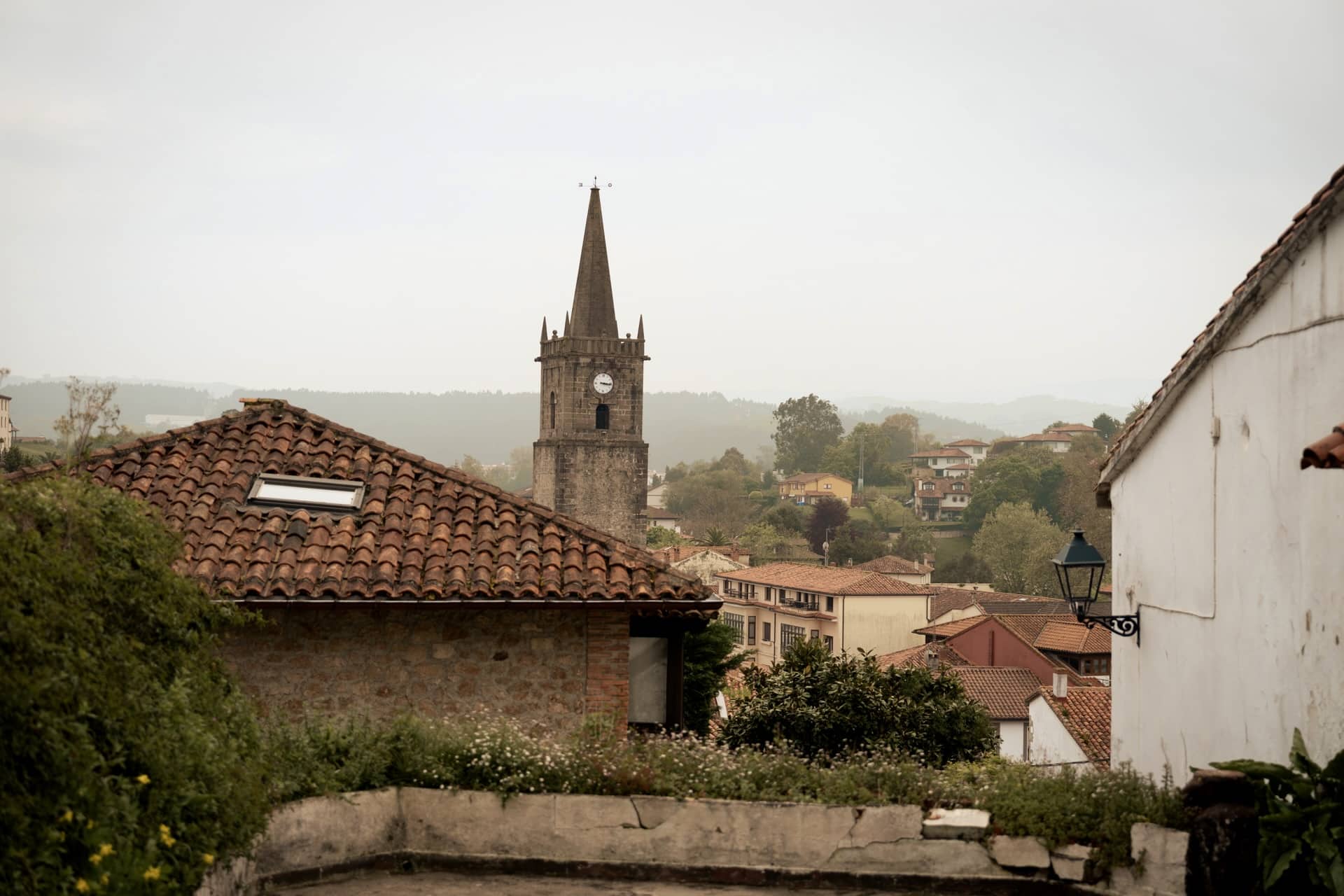
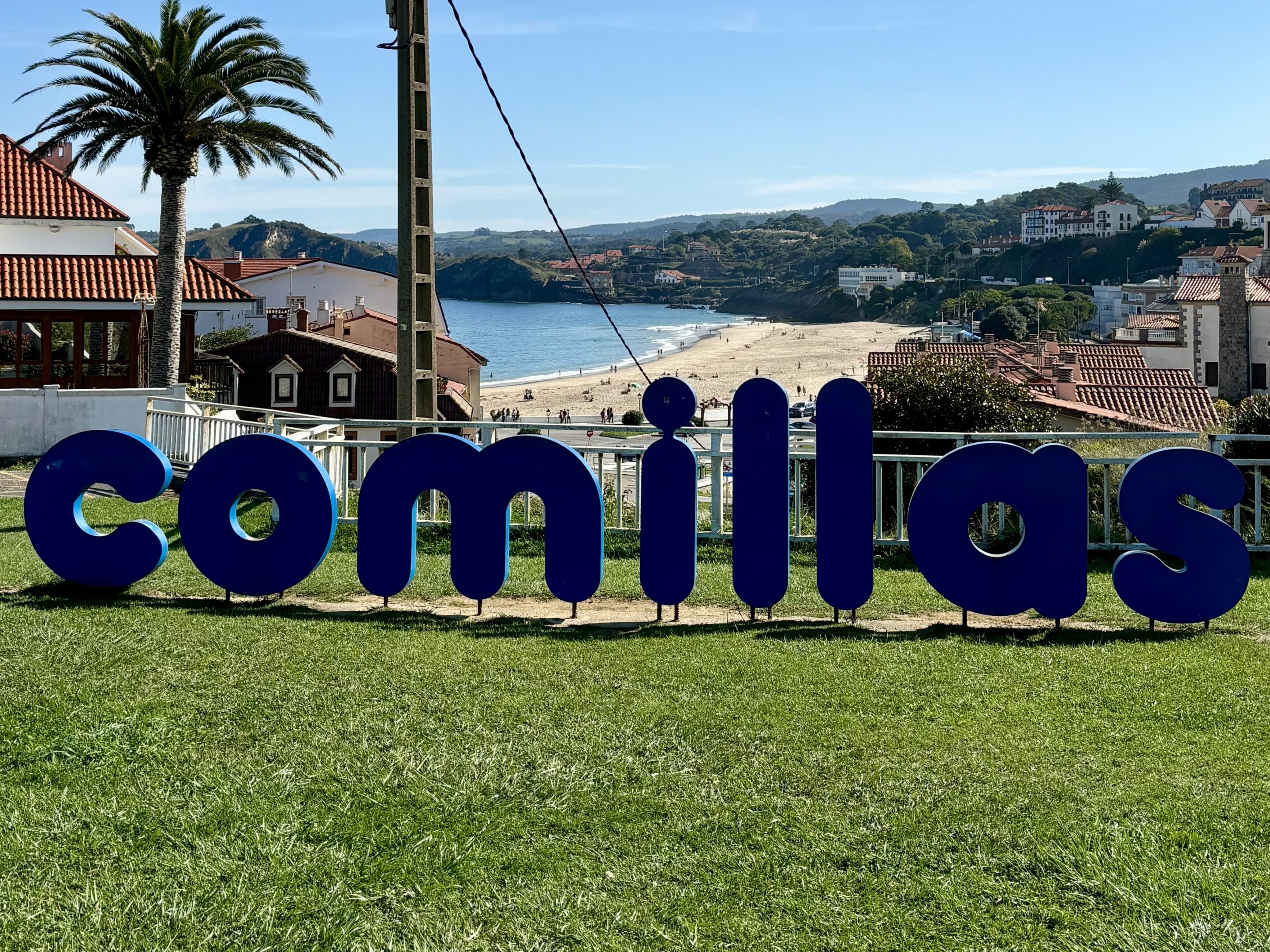
Comillas erbjuder en helt annan miljö. Istället för en större stad får du utforska de historiska gatorna i en av Kantabriens mest kända småstäder.
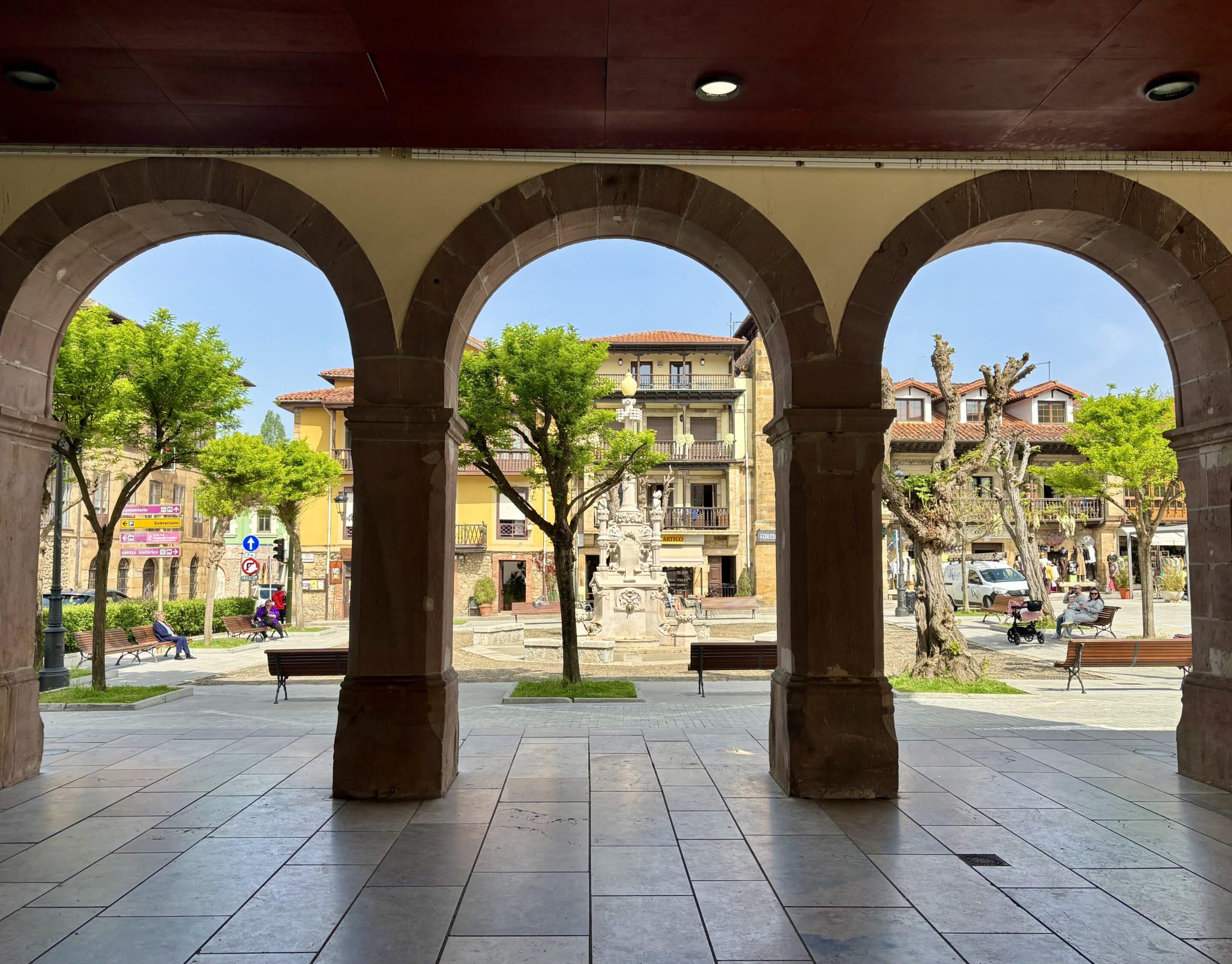
Ruten börjar vid Fuente de Tres Caños och går genom Comillas centrum, förbi torg, historiska byggnader, utsiktsplatser och andra sevärdheter längs vägen. Den är cirka 1 km lång, har 23 ledtrådar och några svaga stigningar.
Comillas är ett bra val om du föredrar en kortare vandringsled genom en mindre historisk stad, med mycket att se och några fantastiska utsikter längs vägen.
Upptäck Comillas Adventure Hunt
Vilken Adventure Hunt ska du välja?
Om du bor i Santander eller vill uppleva stadslivet, Santander är det självklara valet. Du kan dessutom välja mellan rutterna ”Standard” och ”Familj”, vilket gör det särskilt praktiskt om du reser med små barn eller behöver en rutt som är anpassad för rullstolar och barnvagnar.
Välj Comillas om du hellre vill utforska en mindre historisk stad. Rutten är mer kompakt, har en liten höjdskillnad och tar dig genom Comillas karaktärsfulla gator och utsiktsplatser.
Om du tillbringar några dagar med att utforska Kantabrien finns det förstås ingen anledning att inte göra båda delarna. Santander och Comillas är två helt olika platser, och de båda upplevelserna har utformats utifrån vad som finns att uppleva på respektive ort.
Oavsett vad du väljer, ta god tid på dig. Det finns ingen tidspress och du kan få hjälp om du behöver det. Ta en paus för att dricka något, äta något eller helt enkelt njuta av omgivningen, och fortsätt sedan när du är redo.
Vanliga frågor om Kantabrien
Måste jag boka dessa utomhus-escape rooms i förväg?
Nej. Du kan boka i förväg eller börja samma dag.
Många besökare bestämmer sig för att delta i skattjakten efter att de har kommit fram till området.
Är den här skattjakten lämplig för barn?
Ja. Escape room-upplevelsen utomhus är utformad för att vara rolig och tillgänglig för alla.
Familjerna kan genomföra skattjakten tillsammans.
På vilket sätt skiljer sig detta från ett traditionellt escape room?
Ett traditionellt escape room äger rum inomhus.
Det här är ett escape room utomhus. Du tar dig fram genom verkliga miljöer, löser ledtrådar och utforskar i din egen takt
Hur lång tid tar skattjakten?
De flesta deltagare klarar utomhus-escape room på 1 till 2 timmar.
Du kan ta dig mer tid om du vill njuta av omgivningen.
Påverkar vädret utomhus-escape room-upplevelsen?
Skattjakten kan genomföras under de flesta väderförhållanden.
Du kan bestämma samma dag om du vill börja.
Finns på flera språk
Asturias Adventure Hunts finns på engelska, spanska, tyska, nederländska, franska, italienska och portugisiska.
Så här fungerar det
Klicka på knappen ”Boka nu” för att göra en bokning. Du kommer då att få ett bekräftelsemejl med ditt bokningsnummer, en länk för att ladda ner appen Adventure Hunt och en länk till startpunkten. Du kan sedan öppna appen med hjälp av din e-postadress och ditt bokningsnummer – du behöver varken skapa eller komma ihåg något lösenord.
När du är redo är det bara att bege dig till startpunkten och sätta igång din Adventure Hunt. Appen guidar dig från pussel till pussel och låser upp varje ny utmaning när du har löst den föregående. Om du behöver lite hjälp längs vägen finns det ledtrådar tillgängliga för varje pussel. Du kan stanna när du vill för att ta en paus, se dig omkring eller shoppa, och sedan fortsätta din äventyrsjakt när du är redo – till och med nästa dag om du vill.





Adventure Hunt Cantabria Partners
Dillon Konst
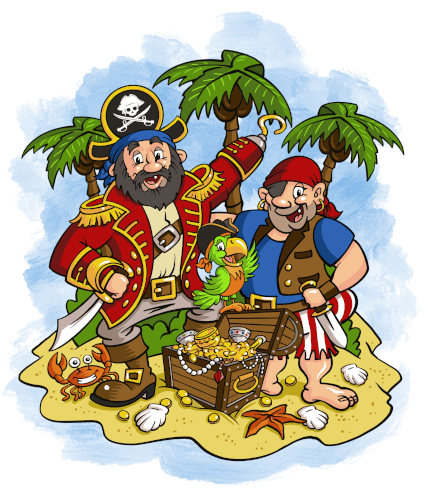
Adventure Hunt är mycket glada över att ha valt att arbeta med DillonArt. Våra glada och roliga pirater är Garys skapelse. När vi växer kommer fler pirater att ansluta sig till teamet!
Boka nu
Välj den plats där du vill boka din äventyrsjakt

Om Kantabrien
Kantabrien är en liten region på Spaniens nordkust, belägen mellan Asturien och Baskien, med Kastilien och León i söder. Den sträcker sig över endast cirka 5 300 kvadratkilometer, så inget ligger särskilt långt bort. Det gör det ganska enkelt att tillbringa en förmiddag vid havet och senare samma dag befinna sig omgiven av berg. Gröna dalar, skogar, stränder och små byar fyller stora delar av området däremellan.
FRÅN FÖRHISTORISKA GROTTOR TILL PICOS DE EUROPA
Människor har bott i Kantabrien under mycket lång tid. Några av de tydligaste bevisen finns i regionens förhistoriska grottor, däribland Altamira, där några av världens mest berömda grottmålningar från paleolitikum finns. Långt senare blev de kantabriska stammarna kända för sitt motstånd mot Rom under de kantabriska krigen under 100-talet f.Kr. Fiske och jordbruk blev viktiga delar av livet här, liksom boskapsskötsel, gruvdrift och handel via regionens hamnar.
Idag är det förmodligen mångfalden som sticker ut mest. Om man beger sig söderut eller västerut blir landskapet snabbt bergigt och leder så småningom fram till Picos de Europa. Reser man i motsatt riktning möts man av en över 200 km lång kuststräcka med långa stränder, klippiga vikar, branta klippor och fiskebyar.
PLATSER ATT UPPTÄCKA I KANTABRIEN
Santillana del Mar: Det här är en av de där platserna där det räcker med att bara strosa omkring för att uppleva halva nöjet. Den gamla stadskärnan är full av kullerstensgator, stenhus och traditionella träbalkonger, med kollegiatkyrkan Santa Juliana i centrum. En sak som kan vara lite förvirrande för den som besöker staden för första gången: trots namnet ligger Santillana del Mar faktiskt inte vid havet.
Altamira: Strax utanför Santillana del Mar ligger Altamira-grottan, känd för sina förhistoriska målningar, särskilt bisonmålningarna som pryder taket. Den ursprungliga grottan måste skyddas noggrant och tillträdet är ytterst begränsat. Lyckligtvis har det närliggande Altamira-museet en detaljerad återgivning av grottan och dess målningar, så att man ändå kan få en god uppfattning om vad som upptäcktes här.
Picos de Europa och Fuente Dé: Man behöver inte vara en erfaren bergsklättrare för att ta sig högt upp i Picos de Europa. I Fuente Dé tar en linbana dig från dalen till över 1 800 meter över havet. En klar dag är utsikten spektakulär. Om du gillar att vandra är detta också utgångspunkten för ett antal bergsvandringsleder.
Potes och Liébana: Potes ligger i Liébana-dalen, omgivet av berg. Det är en charmig liten stad som inbjuder till promenader, med gamla stenbyggnader, broar och smala gator. Även omgivningarna är värda att utforska. Det närbelägna klostret Santo Toribio de Liébana har varit ett viktigt pilgrimsmål i århundraden och är en av endast ett fåtal platser i världen som har tillstånd att fira ett evigt jubileumsår.
Naturparken Cabárceno: Cabárceno är svårt att beskriva som en vanlig djurpark, eftersom den egentligen inte ser ut som en sådan. Parken sträcker sig över ett enormt före detta gruvlandskap där elefanter, giraffer, björnar, noshörningar och många andra djur lever i stora öppna områden bland spektakulära kalkstensformationer. Man brukar ta sig runt med bil, men det finns även linbanor som ger en helt annan utsikt uppifrån.
San Vicente de la Barquera: En klar dag erbjuder San Vicente en av de vackraste utsikterna bland alla kuststäder i Kantabrien, med Picos de Europa som syns i bakgrunden. Här finns en fiskehamn, en lång medeltida bro och en gammal stadsdel som ligger precis vid vattnet, samt några utmärkta stränder i närheten.
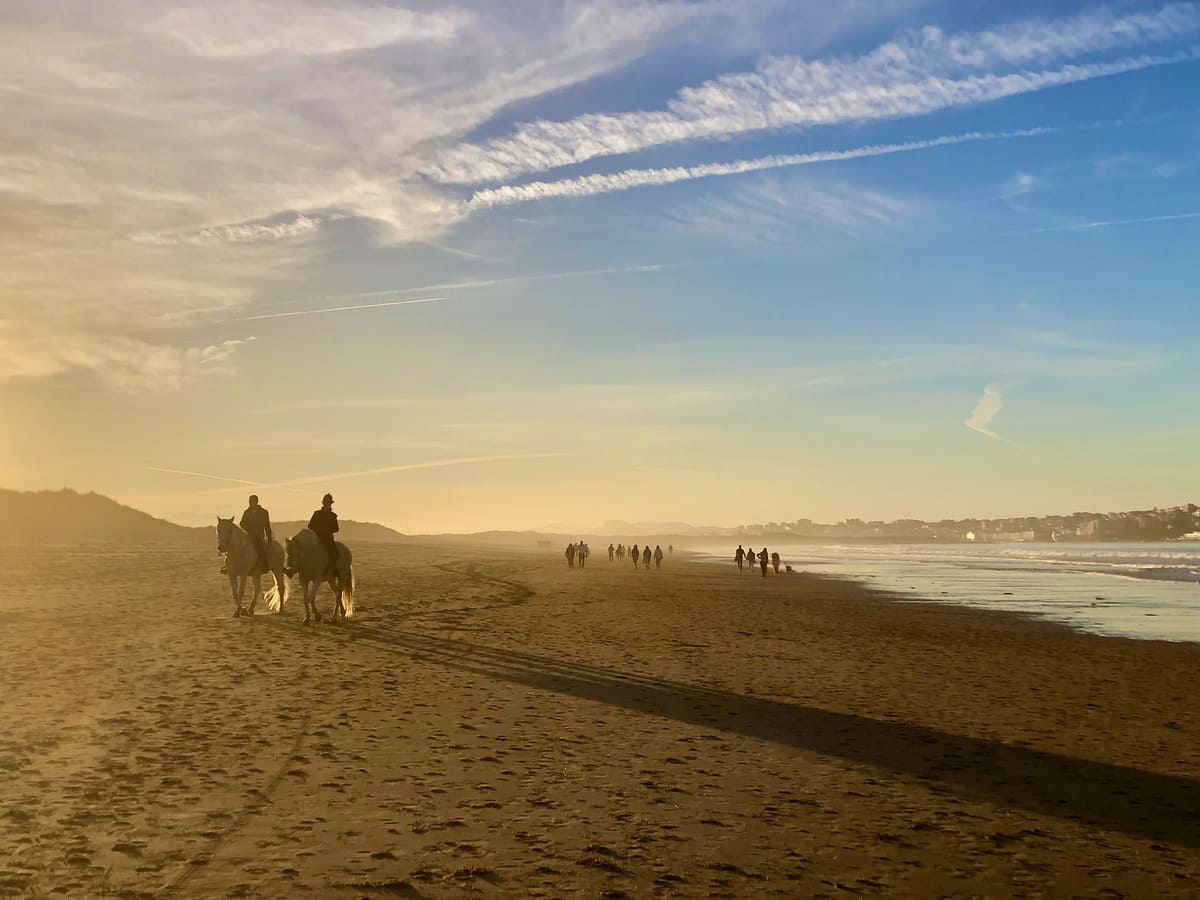
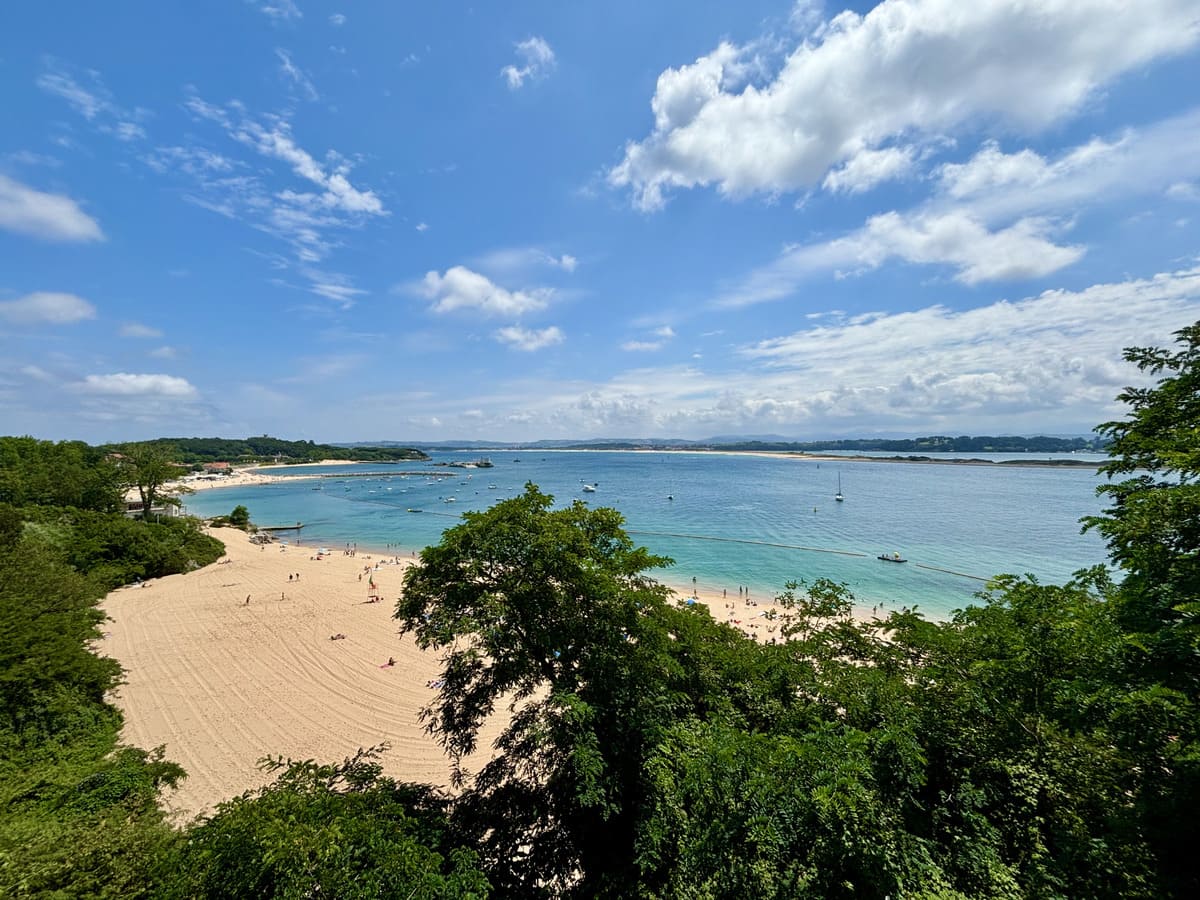
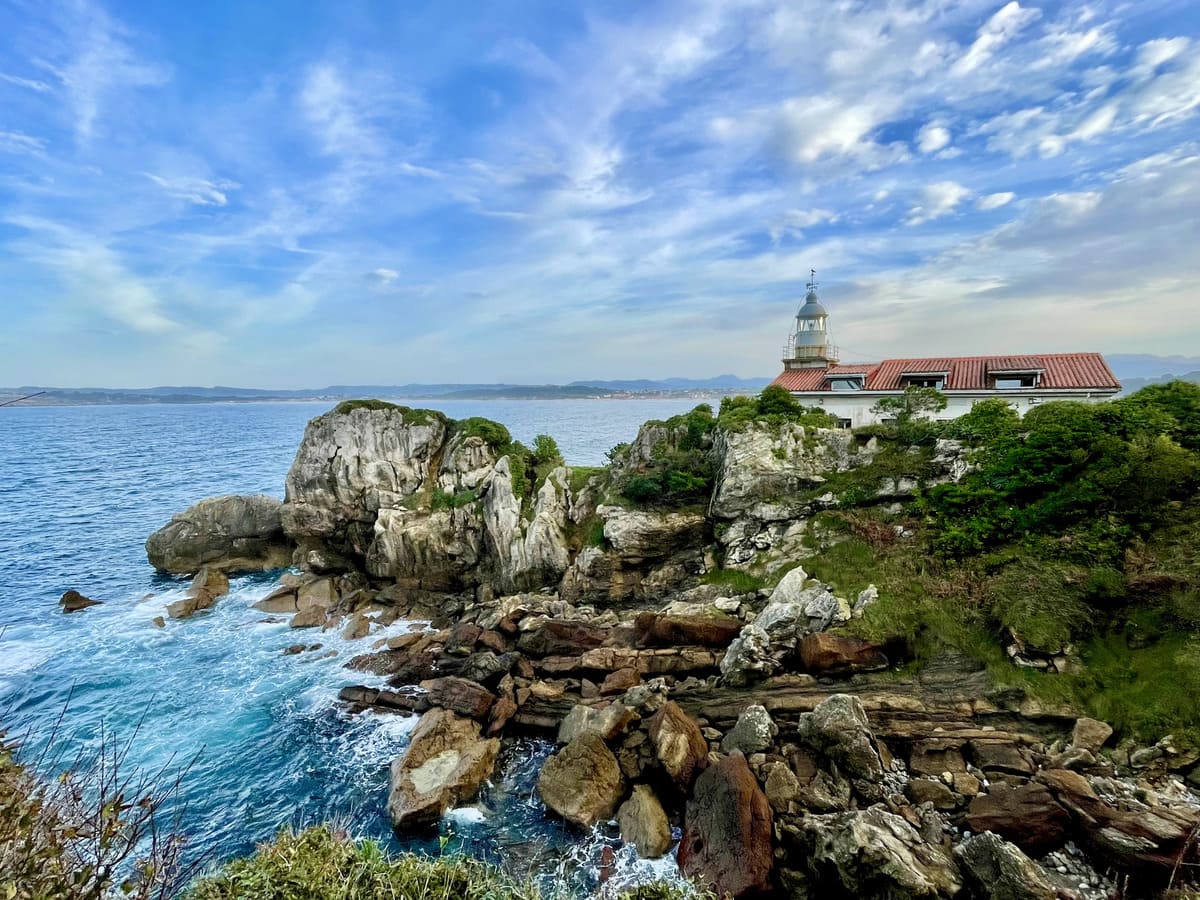
Den kantabriska kusten: Om du gillar stränder har du massor att välja på. Somo, Liencres, Suances, Noja och Laredo är bara några av de mer kända alternativen, och däremellan finns det gott om mindre stränder och vikar. Costa Quebrada är särskilt imponerande, med klippor och ovanliga klippformationer som formats av Kantabriska havet.
Mat och dryck: Att orten ligger mellan bergen och havet avspeglas i maten. Santoña är särskilt känt för sina ansjovisar, medan ”cocido montañés” är så långt ifrån en lätt lunch med skaldjur man kan komma – en mättande gryta som traditionellt tillagas med bönor, kål och fläsk. Om du är sugen på något sött ska du hålla utkik efter sobaos pasiegos och quesada, som båda har starka kopplingar till Pas-dalarna. Kantabrien producerar också en mängd lokala ostar, så det är värt att prova vad som än råkar vara typiskt för det område du besöker.
Bok
Nu!
 English (UK)
  Español
  Português
  Deutsch
  Français
  Italiano
  Nederlands
  Svenska
  Norsk bokmål