
Cantabria Escape Room Experiences
Adventure Hunt is a new way to explore, enjoy a stroll and have some outdoor fun.
Adventure Hunt currently has two locations in Cantabria, one in Santander and another in Comillas. They offer two quite different ways to explore the region, so which one you choose will depend on where you are staying and the type of experience you are looking for.
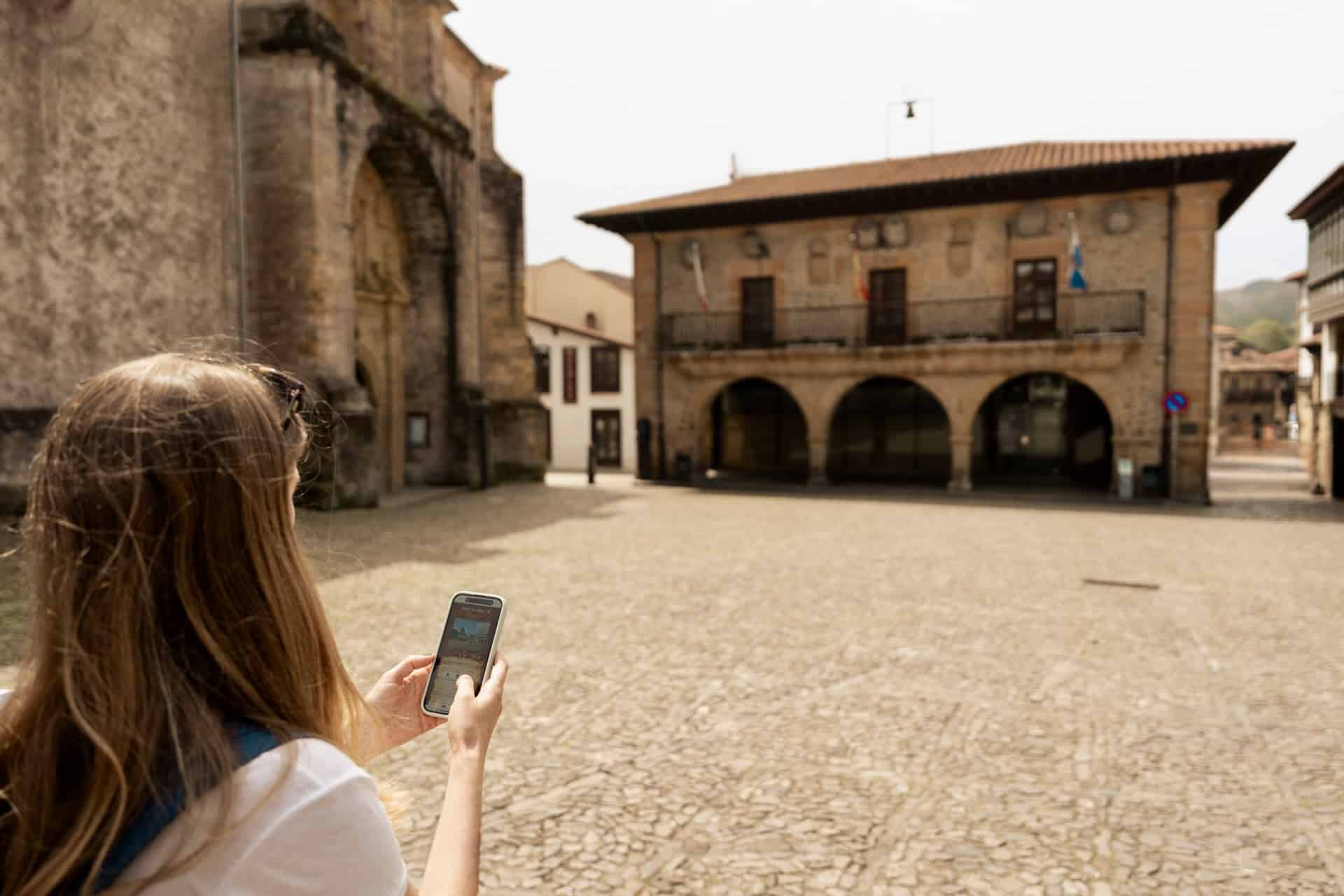
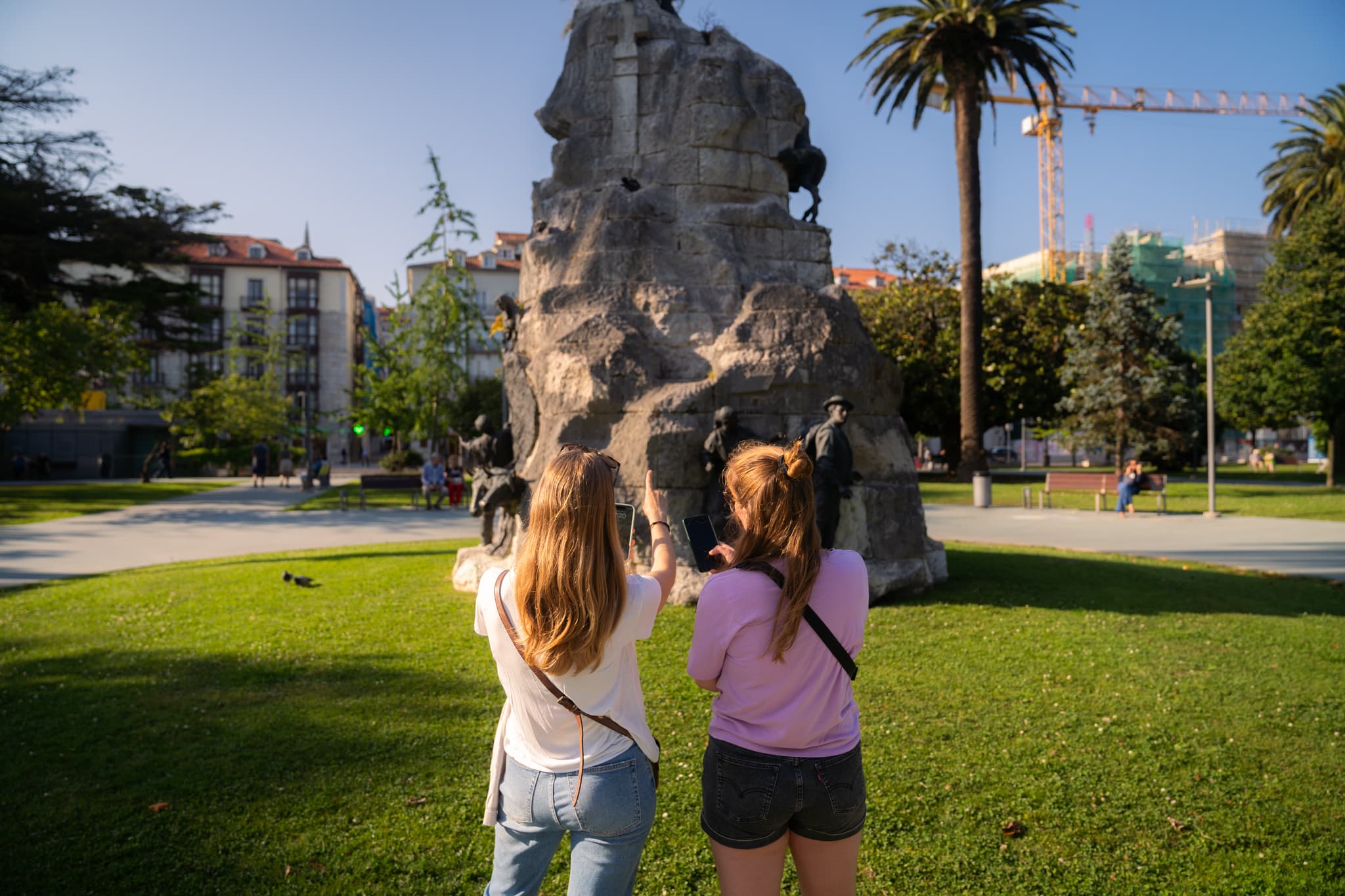
Adventure Hunt combines elements of an outdoor escape room, scavenger hunt and treasure trail. The puzzles use things that are already around you – signs, landmarks, statues, buildings and plenty of things you might normally walk straight past. You don’t need any special knowledge. You just need to look around, pay attention and work out the answers.
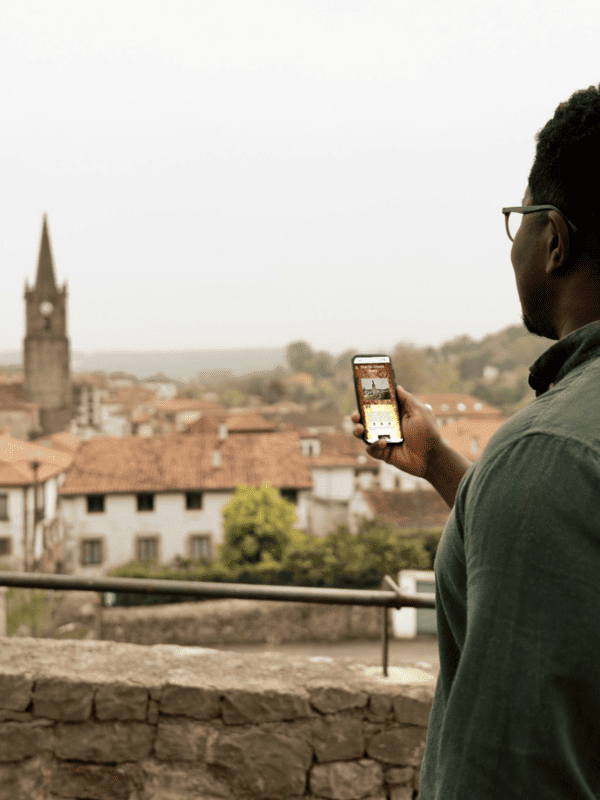
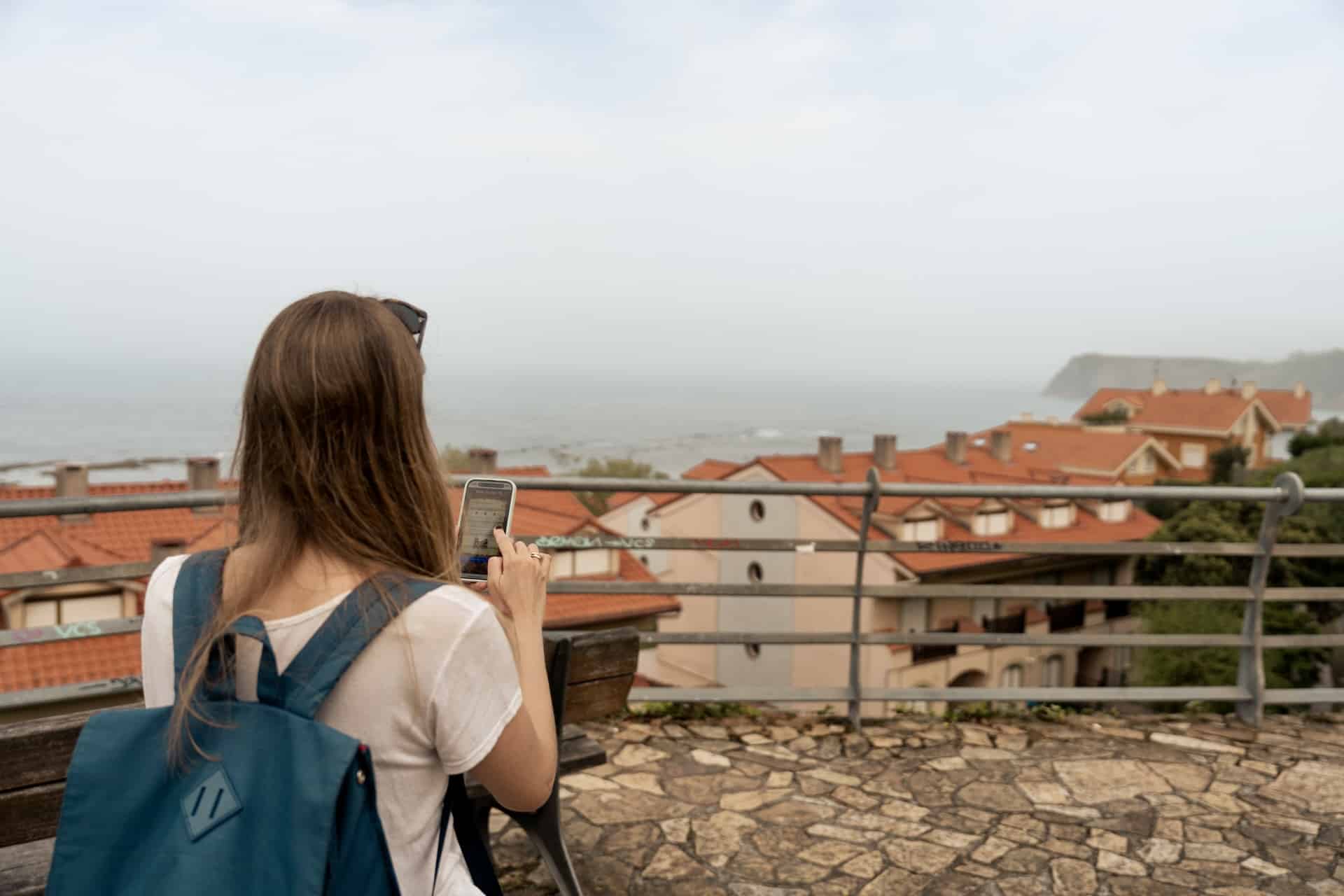
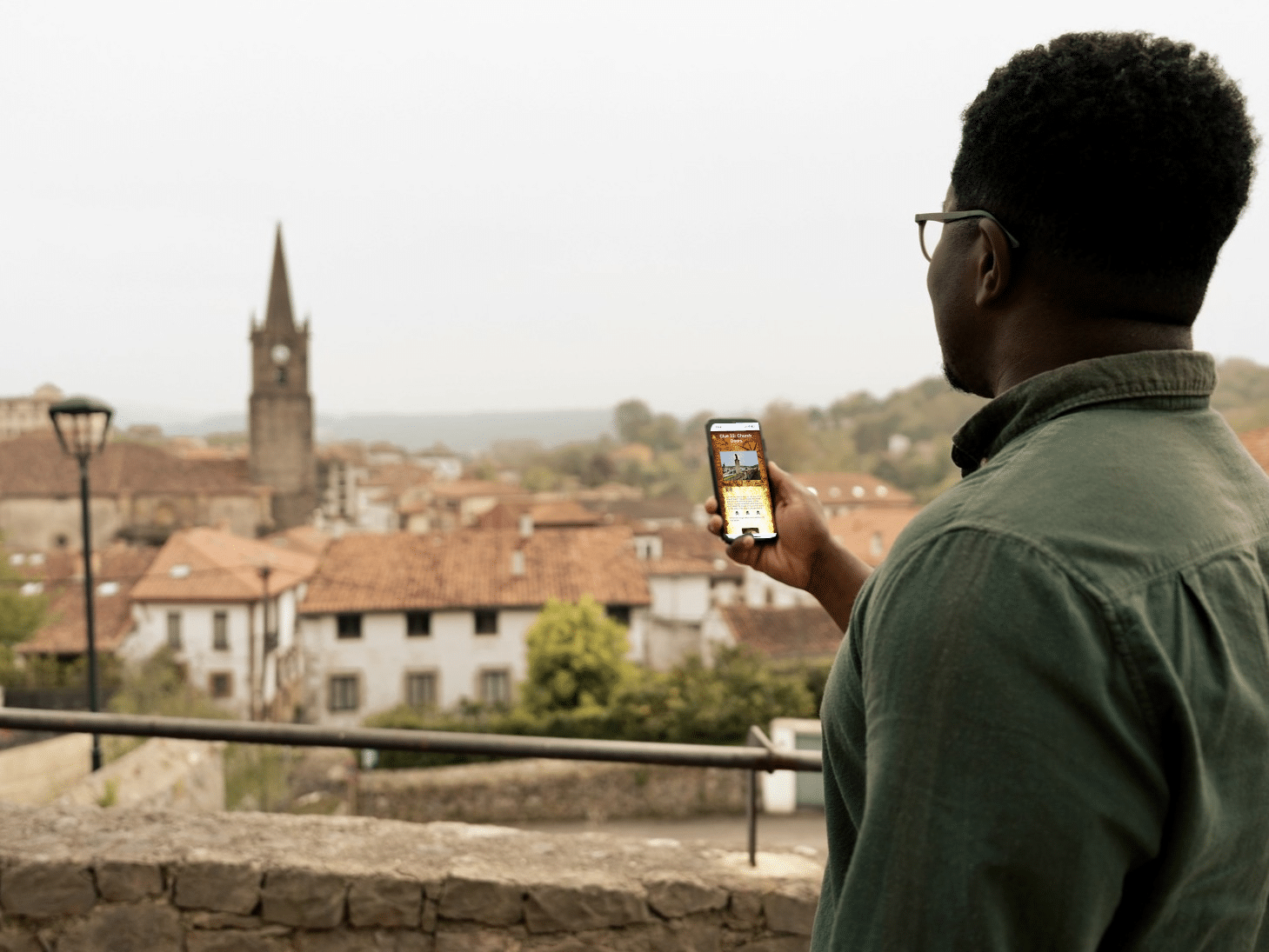
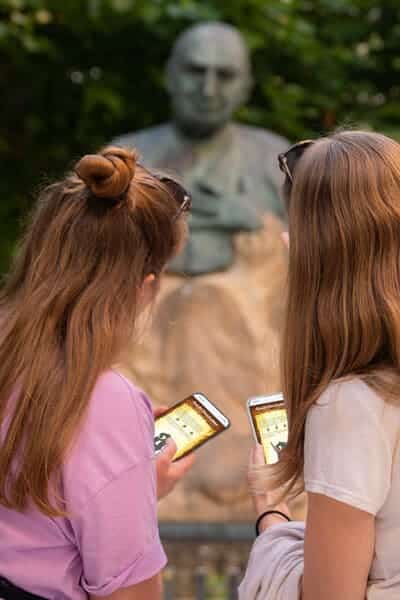
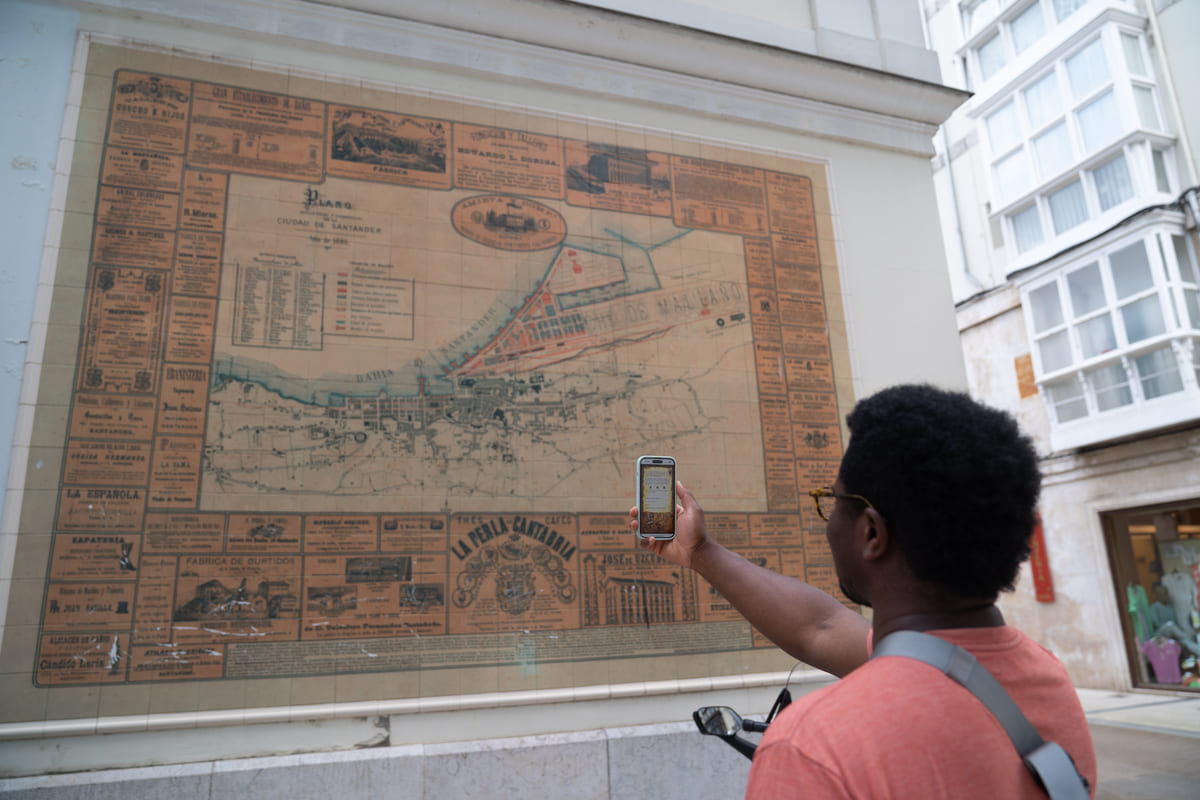
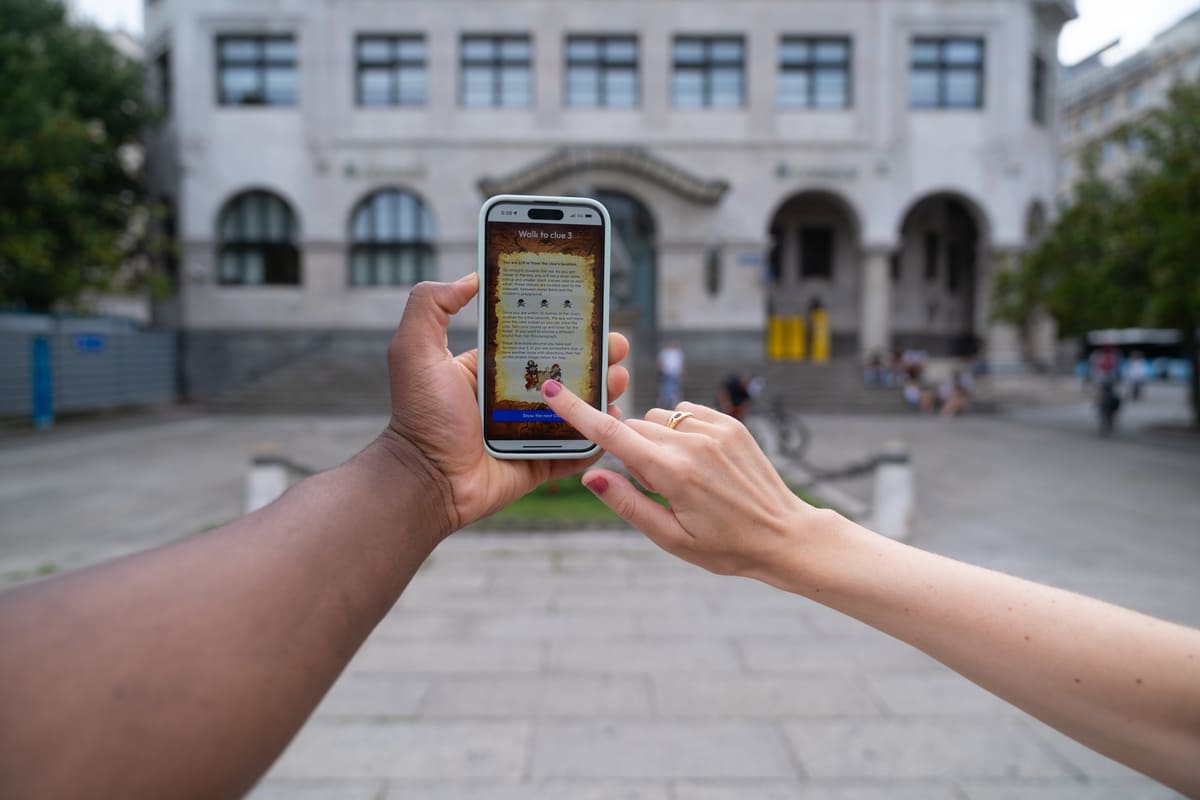
The Adventure Hunt app guides you from one puzzle to the next without simply asking you to follow a dot on a map. Finding your way is part of the adventure. The app runs on your own Android or iPhone, so there is no equipment to collect and no guide to meet.
Book online and start whenever you like. There are no fixed departure times, so you can plan your Adventure Hunt in advance or decide to do one on the day. Each booking covers a group of up to six people and is available in English, Spanish, German, French, Italian, Portuguese and Dutch.
Santander
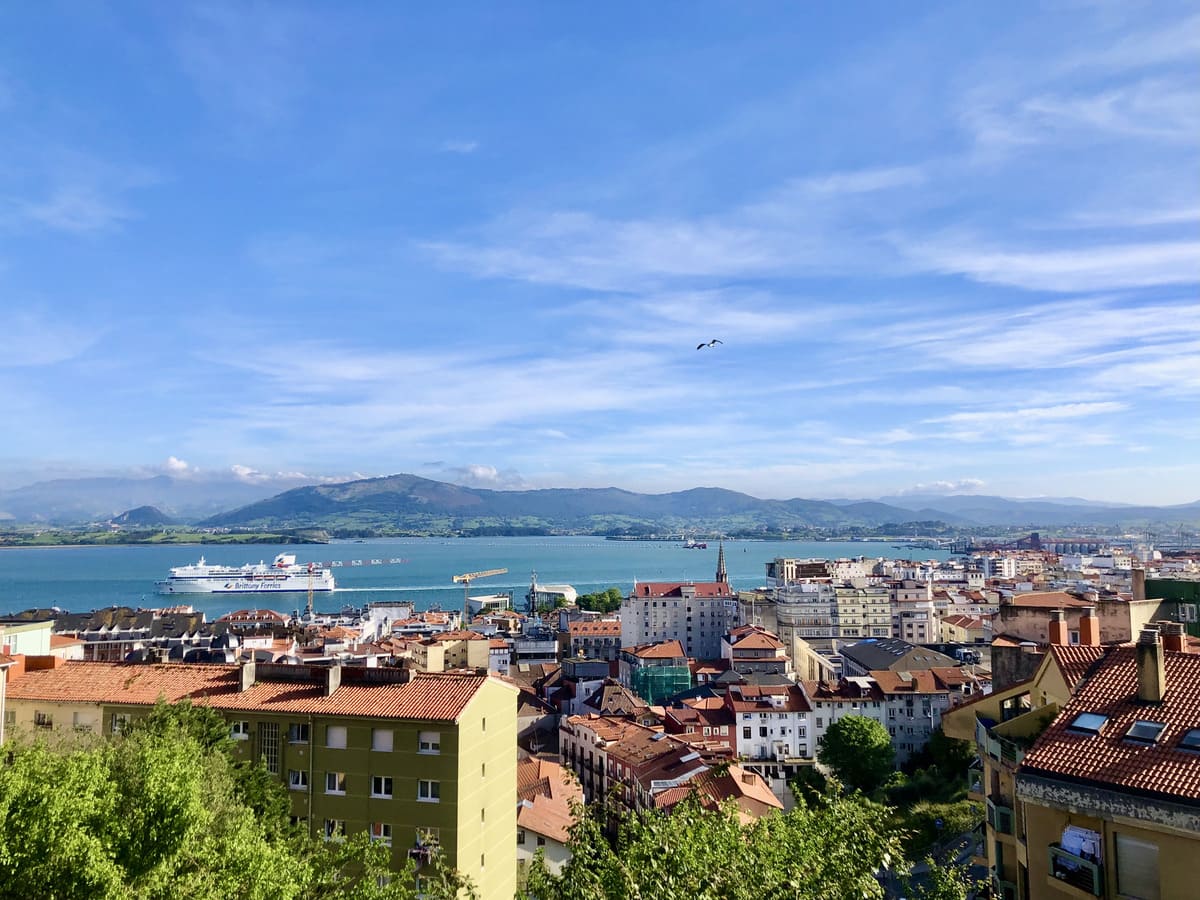
Santander is the choice if you want to explore Cantabria’s capital. The adventure starts and finishes at Plaza Porticada, right in the centre of the city, with the waterfront just a short walk away.
There are two versions to choose from. The Standard route is the longer option and is aimed at adults and families with older children who want to explore more of the city and enjoy a little more of a challenge. There is also a shorter Family route, designed with younger children in mind. It is flat, wheelchair and stroller friendly, and takes you between Plaza Porticada and Centro Botín.
This makes Santander particularly flexible for families, as you can choose the version that best suits your group.
Discover the Santander Adventure Hunt
Comillas
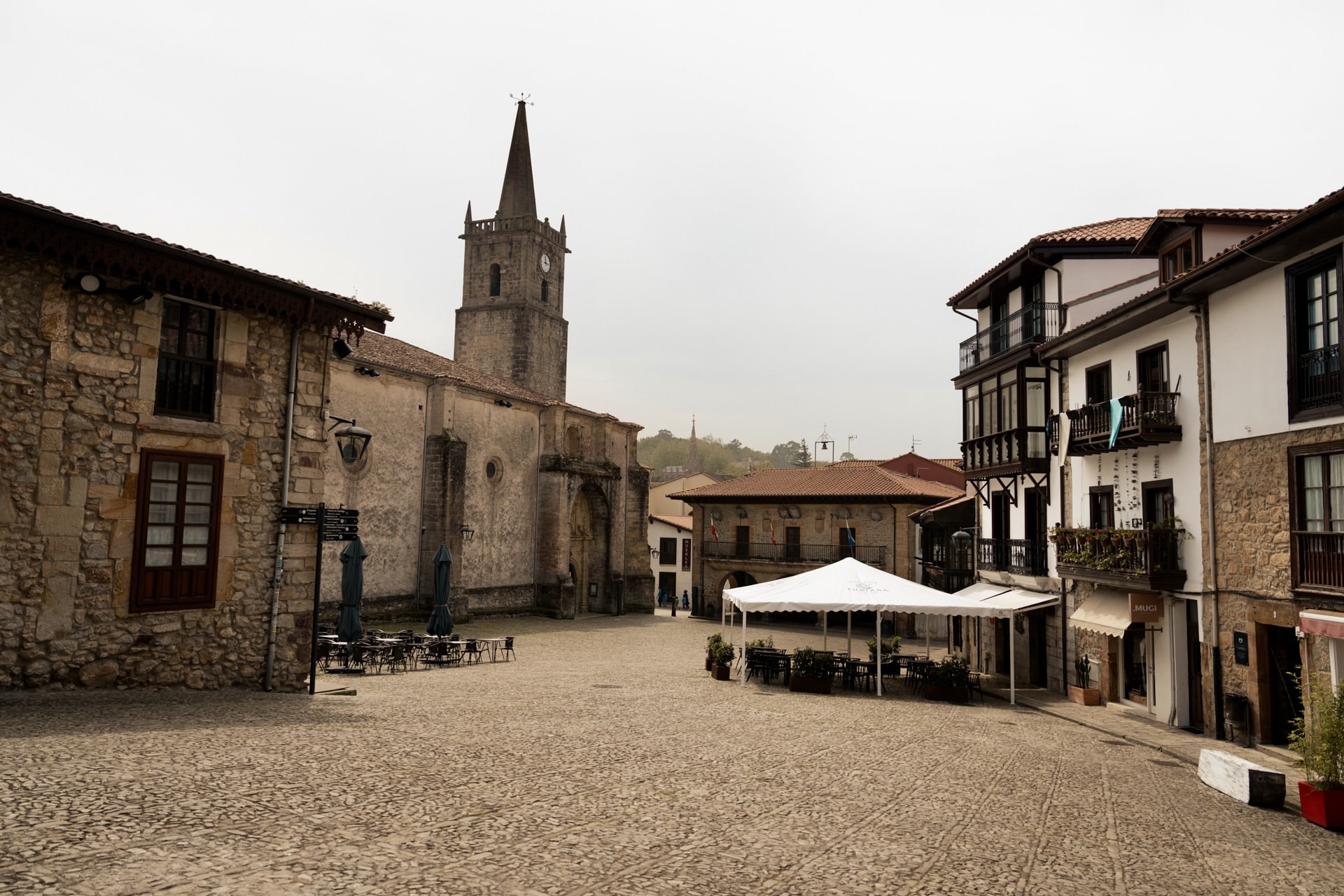
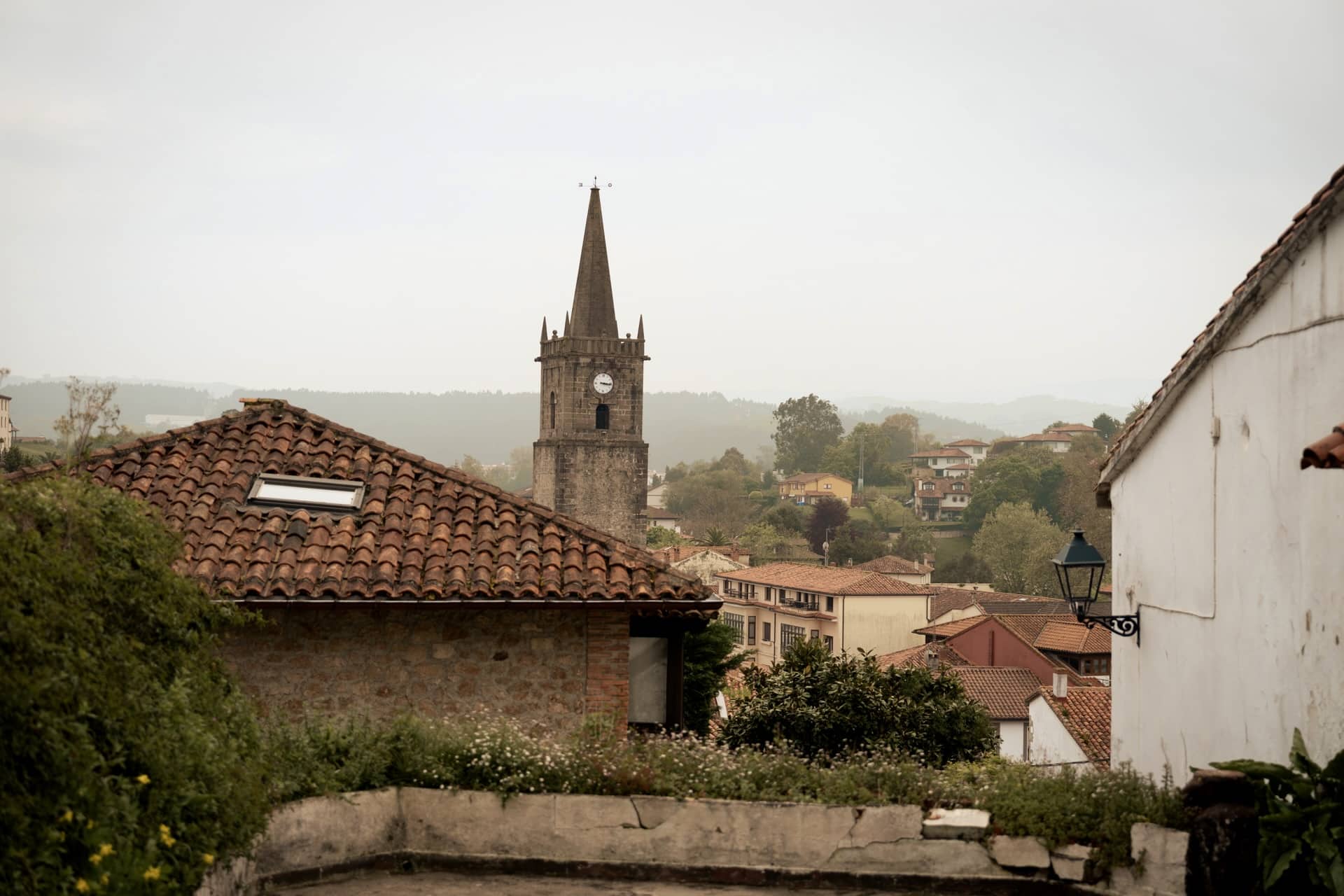
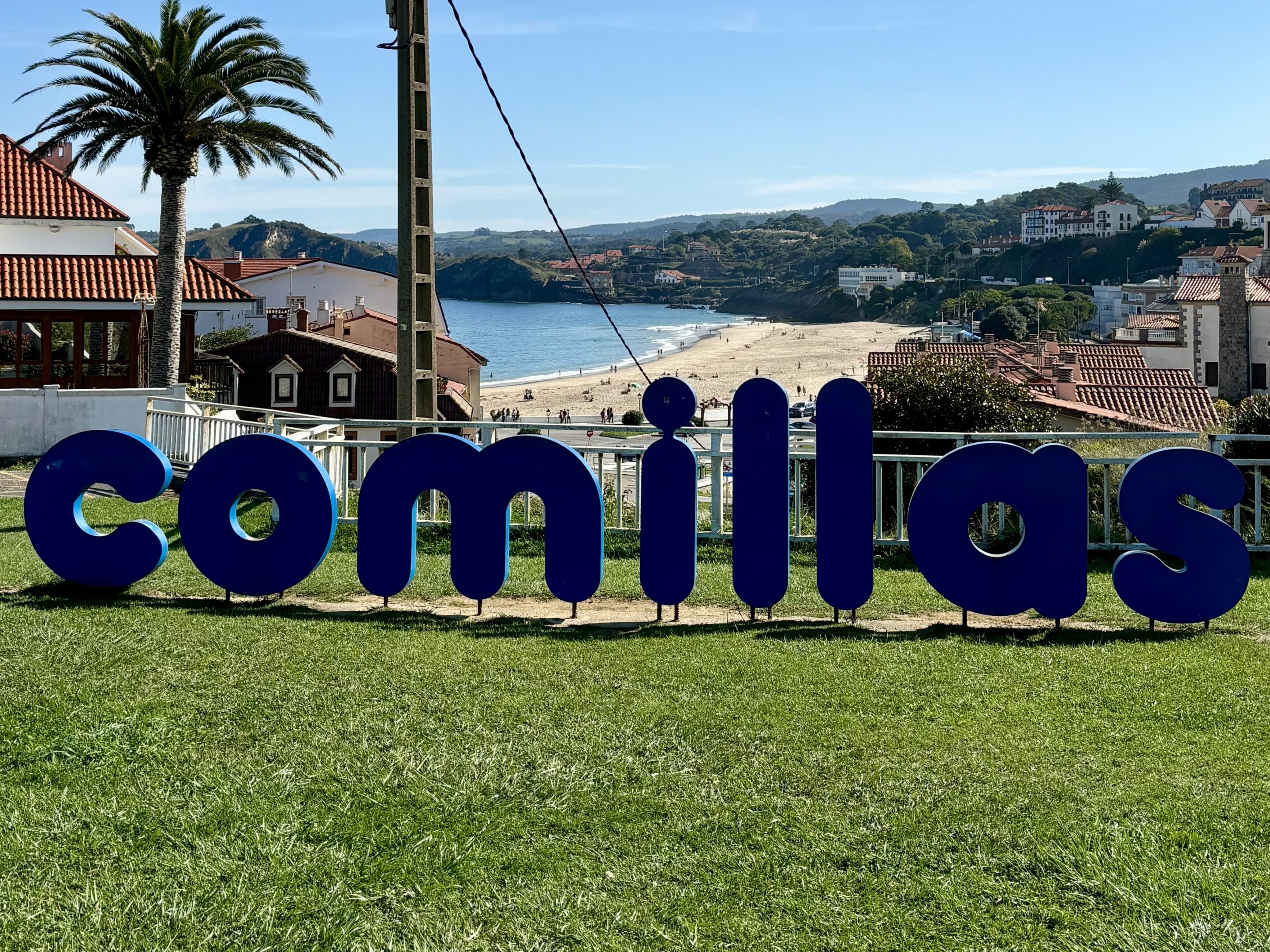
Comillas offers a very different setting. Rather than a larger city, you’ll be exploring the historic streets of one of Cantabria’s best-known small towns.
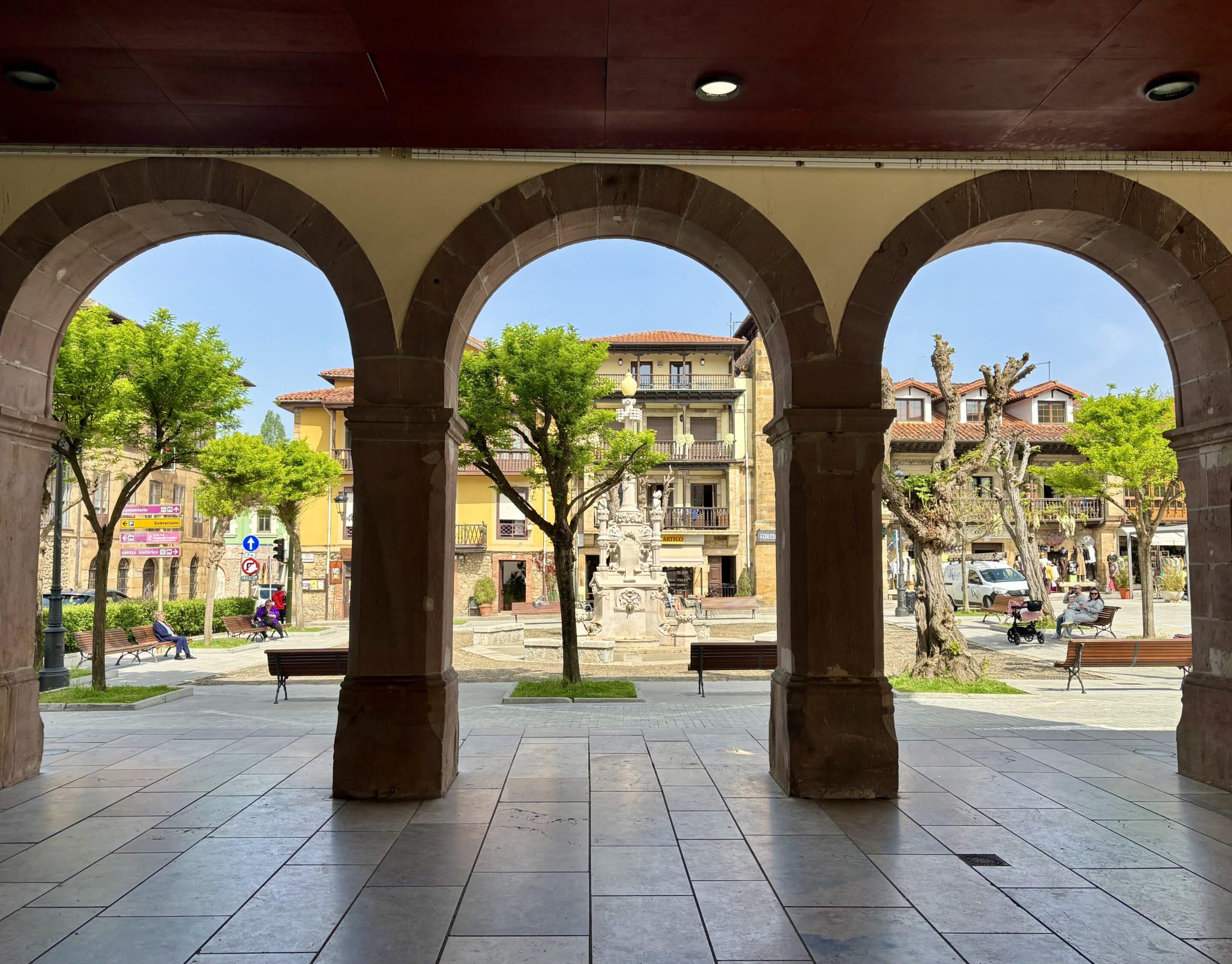
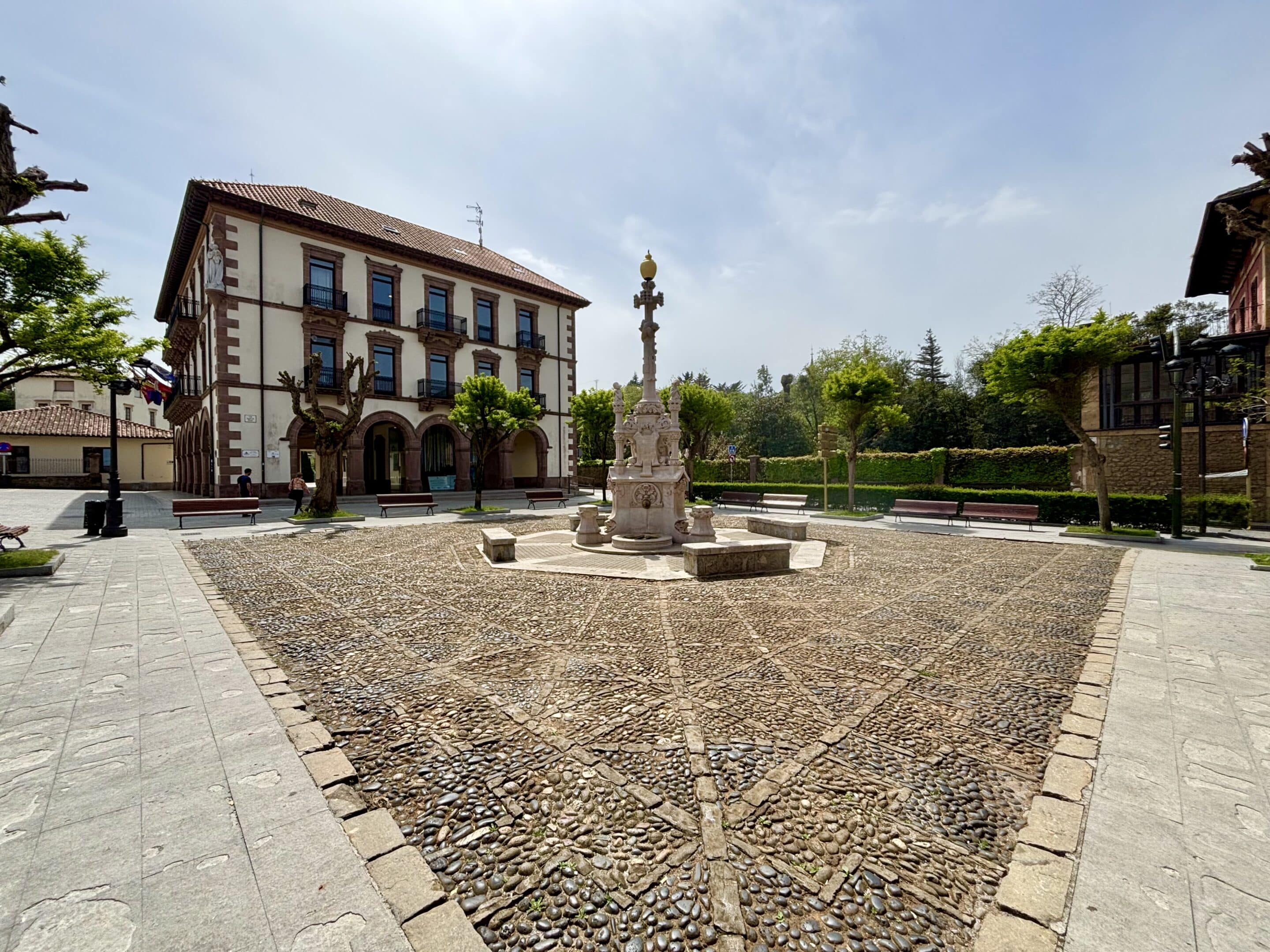
The route starts at the Fuente de Tres Caños and works its way through the centre of Comillas, passing squares, historic buildings, viewpoints and other interesting features along the way. It is approximately 1 km long with 23 clues and some gradual elevation.
Comillas is a good choice if you prefer a compact route through a smaller historic town, with plenty to look at and some excellent views along the way.
Discover the Comillas Adventure Hunt
Which Adventure Hunt should you choose?
If you are staying in Santander or want a city experience, Santander is the obvious choice. It also gives you the choice between the Standard and Family routes, making it particularly useful if you are visiting with younger children or need a wheelchair and stroller-friendly option.
Choose Comillas if you would rather explore a smaller historic town. The route is more compact, has a little elevation and takes you through the characterful streets and viewpoints of Comillas.
Of course, if you are spending a few days exploring Cantabria, there is no reason not to do both. Santander and Comillas are very different places, and the two experiences have been designed around what you find in each location.
Whichever you choose, take your time. There is no clock ticking and hints are available if you need them. Stop for a drink, something to eat or simply to enjoy your surroundings, then carry on when you’re ready.
Cantabria FAQ
Do I need to book these outdoor escape rooms in advance?
No. You can book in advance or start on the same day.
Many visitors decide to join the scavenger hunt after arriving in the area.
Is this scavenger hunt suitable for children?
Yes. The outdoor escape room is designed to be fun and accessible.
Families can complete the scavenger hunt together.
How is this different from a traditional escape room?
A traditional escape room takes place indoors.
This is an outdoor escape room. You walk through real locations, solve clues, and explore at your own pace
How long does the scavenger hunt take?
Most players complete the outdoor escape room in 1 to 2 hours.
You can take more time if you want to enjoy the surroundings.
Does the weather affect the outdoor escape room?
The scavenger hunt can be played in most weather conditions.
You can decide on the day whether you want to start.
Available in Multiple Languages
The Asturias Adventure Hunts are available in English, Spanish, German, Dutch, French, Italian and Portuguese.
How it works
Click the Book Now button to make a booking. You will then receive a confirmation email containing your booking reference, a link to download the Adventure Hunt app, and a link to the start point. You can then open the app using your email address and booking reference—there are no passwords to create or remember.
Once you’re ready, simply head to the start point and begin your Adventure Hunt. The app will guide you from puzzle to puzzle, unlocking each new challenge as you solve the previous one. If you need a little help along the way, hints are available for every puzzle. You’re free to stop whenever you like for refreshments, sightseeing or shopping, then continue your Adventure Hunt whenever you’re ready—even the next day if you wish.





Adventure Hunt Cantabria Partners
Dillon Art
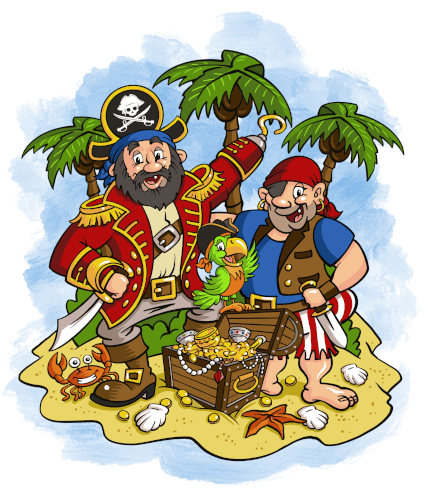
Adventure Hunt are very happy to have chosen to work with DillonArt. Our happy fun pirates are inspired by Gary and Dillon Art. As we grow, expect to see more pirates joining the team!
Book Now
Select the location you would like to book your Adventure Hunt
About Cantabria
Cantabria is a small region on the north coast of Spain, sitting between Asturias and the Basque Country, with Castilla y León to the south. It covers only around 5,300 square kilometres, so nowhere is particularly far away. That makes it quite easy to spend a morning by the sea and find yourself surrounded by mountains later the same day. Green valleys, forests, beaches and small villages fill much of the space in between.
FROM PREHISTORIC CAVES TO THE PICOS DE EUROPA
People have been living in Cantabria for a very long time. Some of the best evidence is found in its prehistoric caves, including Altamira, home to some of the world’s most famous Palaeolithic cave paintings. Much later, the Cantabri tribes became known for their resistance to Rome during the Cantabrian Wars in the 1st century BC. Fishing and farming became important parts of life here, as did livestock, mining and trade through the region’s ports.
Today it is probably the variety that stands out most. Head south or west and the landscape quickly becomes mountainous, eventually reaching the Picos de Europa. Travel in the other direction and you’ll find more than 200 km of coastline, with long beaches, rocky coves, cliffs and fishing towns.
PLACES TO DISCOVER AROUND CANTABRIA
Santillana del Mar: This is one of those places where simply wandering around is half the point. The old centre is full of cobbled streets, stone houses and traditional wooden balconies, with the Collegiate Church of Santa Juliana at its heart. One slightly confusing fact for first-time visitors: despite the name, Santillana del Mar isn’t actually beside the sea.
Altamira: Just outside Santillana del Mar is the Cave of Altamira, famous for its prehistoric paintings, particularly the bison painted across its ceiling. The original cave has to be carefully protected and access is extremely limited. Fortunately, the nearby Altamira Museum has a detailed recreation of the cave and its paintings, so you can still get a good idea of what was discovered here.
Picos de Europa and Fuente Dé: You don’t have to be an experienced mountaineer to get high into the Picos de Europa. At Fuente Dé, a cable car takes you from the valley to more than 1,800 metres above sea level. On a clear day the views are spectacular. If you do enjoy walking, this is also the starting point for a number of mountain routes.
Potes and Liébana: Potes sits in the Liébana valley, surrounded by mountains. It’s a lovely little town for a wander, with old stone buildings, bridges and narrow streets. The surrounding area is worth exploring too. The nearby Monastery of Santo Toribio de Liébana has been an important pilgrimage destination for centuries and is one of only a handful of places in the world permitted to celebrate a perpetual Jubilee Year.
Cabárceno Nature Park: Cabárceno is difficult to describe as a normal zoo, because it really doesn’t look like one. The park occupies a huge former mining landscape where elephants, giraffes, bears, rhinoceroses and many other animals live in large open areas amongst dramatic limestone formations. You normally explore by car, but there are also cable cars that give you a completely different view from above.
San Vicente de la Barquera: On a clear day, San Vicente has one of the best backdrops of any coastal town in Cantabria, with the Picos de Europa visible behind it. There is a fishing harbour, a long medieval bridge and an old quarter sitting above the water, as well as some excellent beaches nearby.
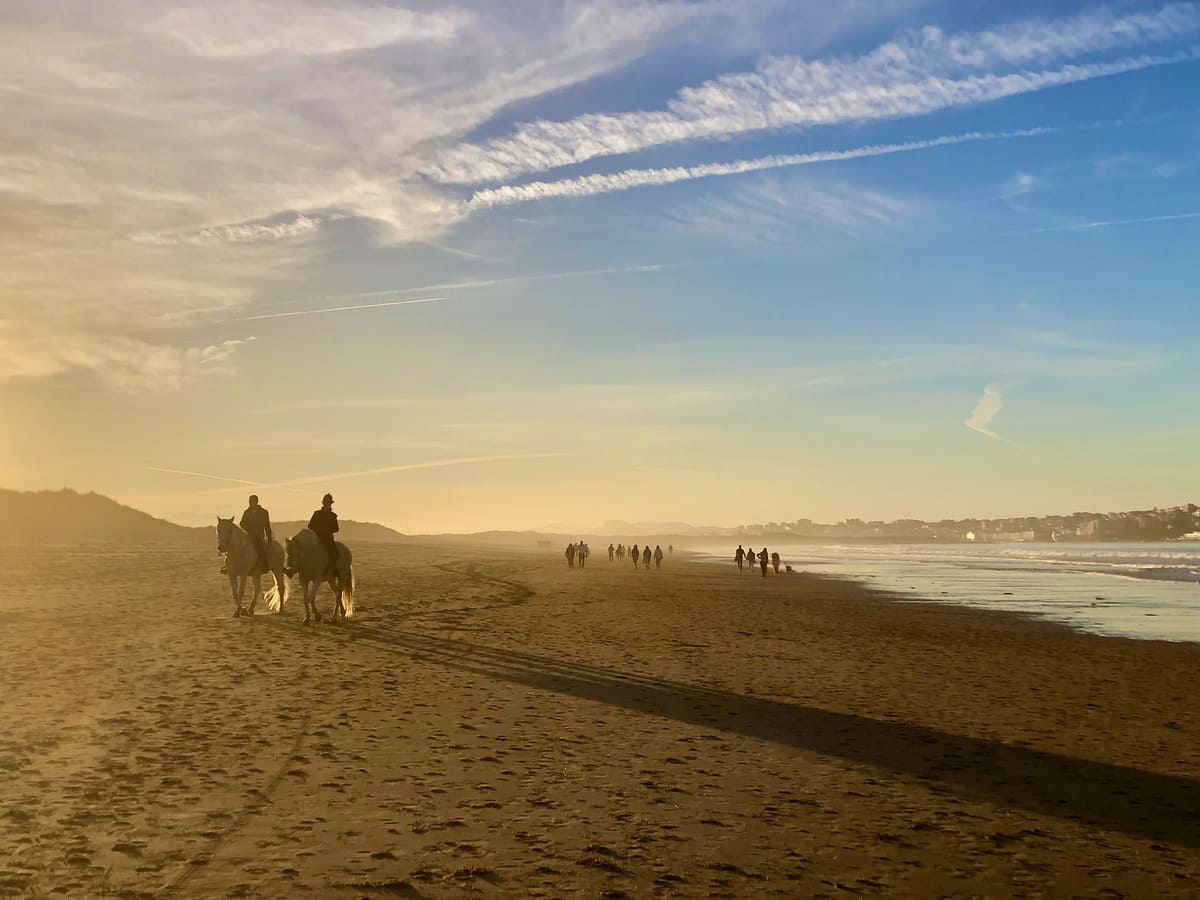
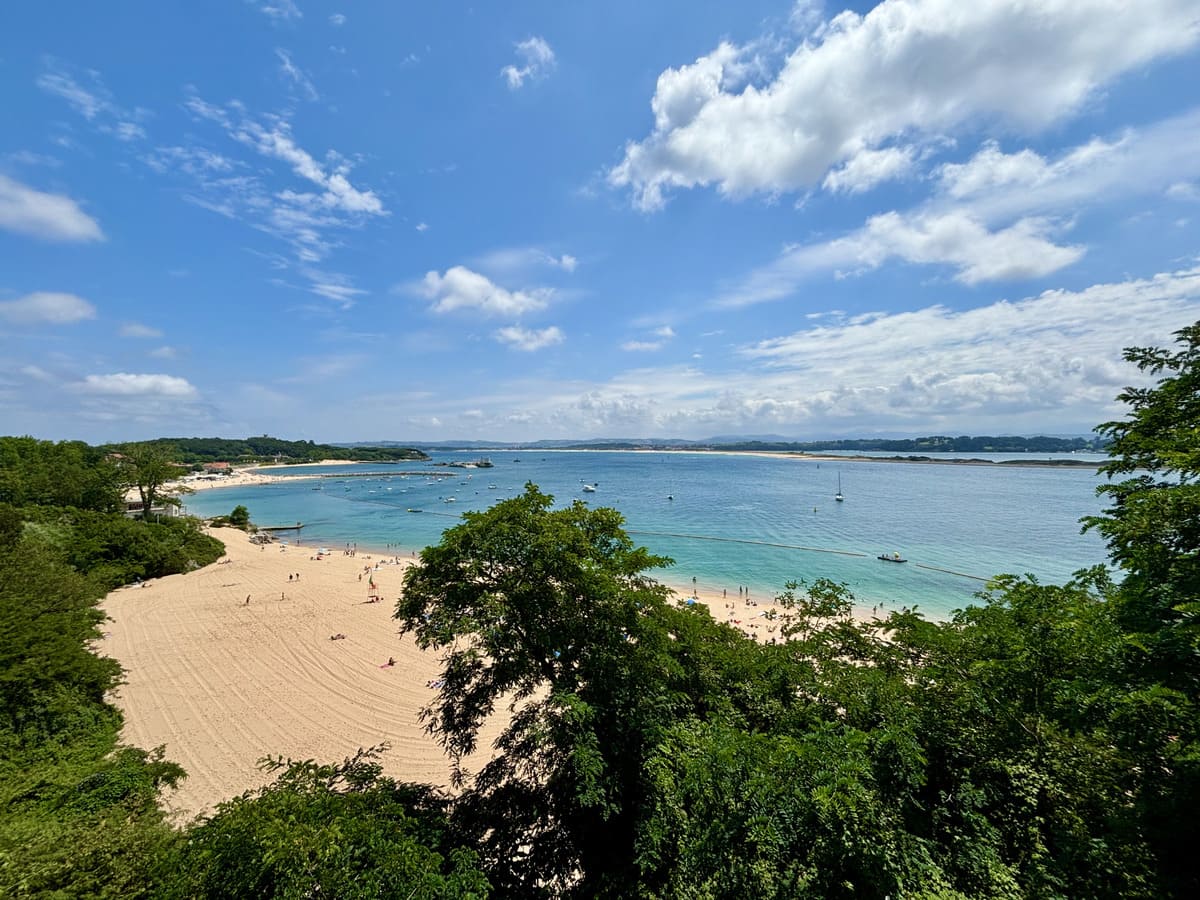
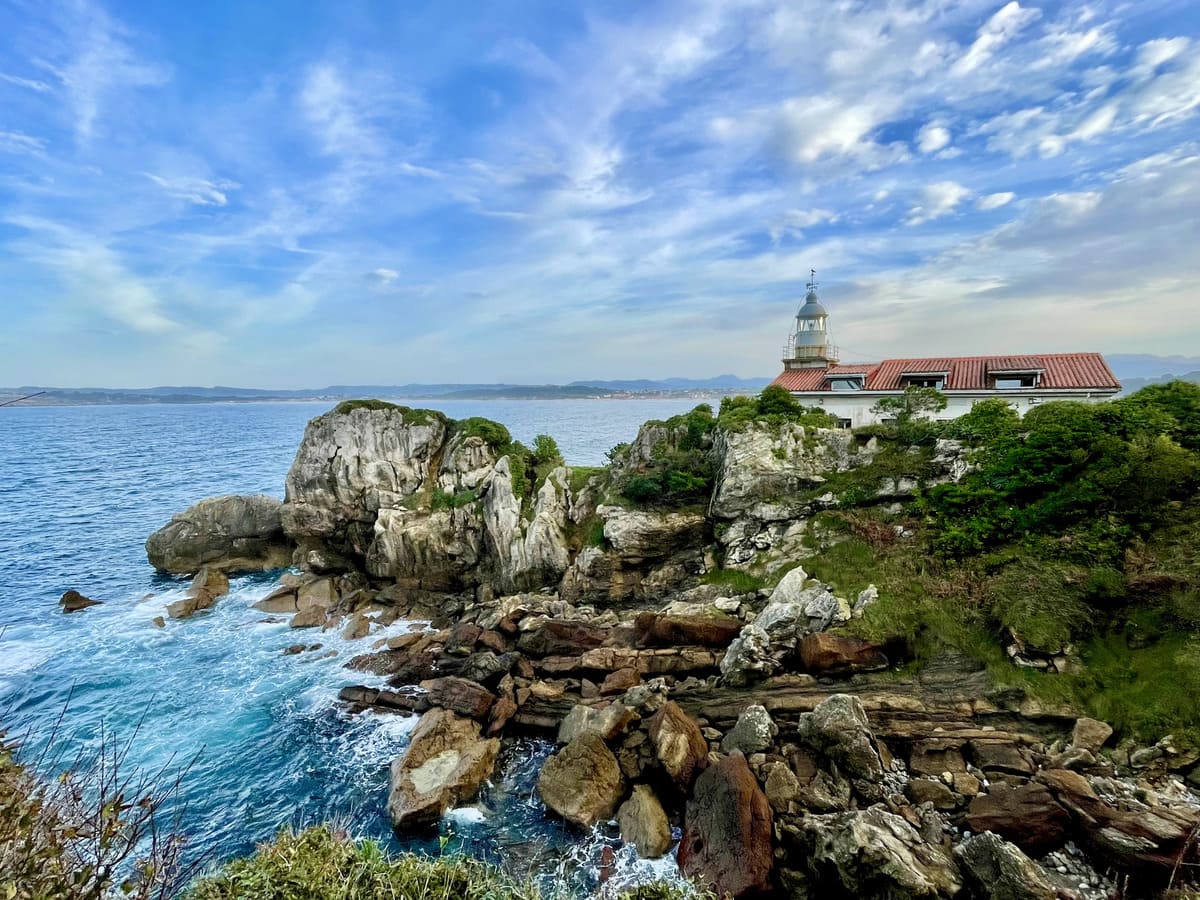
The Cantabrian Coast: You are spoilt for choice if you like beaches. Somo, Liencres, Suances, Noja and Laredo are just a few of the better-known options, and there are plenty of smaller beaches and coves between them. The Costa Quebrada is particularly impressive, with cliffs and unusual rock formations shaped by the Cantabrian Sea.
Food and Drink: Being between the mountains and the sea is reflected in the food. Santoña is particularly famous for its anchovies, while cocido montañés is about as far from a light seafood lunch as you can get – a filling stew traditionally made with beans, cabbage and pork. For something sweeter, look out for sobaos pasiegos and quesada, both closely associated with the Pas valleys. Cantabria also produces plenty of local cheeses, so it’s worth trying whatever happens to be local to the area you’re visiting.
Book
Now!
 English (UK)
  Español
  Português
  Deutsch
  Français
  Italiano
  Nederlands
  Svenska
  Norsk bokmål